
Cardiff a dropped composite door: what it means and what it costs
A dropped composite door behaves slightly differently here than it does on newer estates. Edwardian and Victorian bay-fronted houses in Cathays and Roath, 1930s semis in Llanishen, modern builds in Pontprennau means deeper reveals and older fixings, so what looks like a serious fault often turns out to be adjustment. We cover CF10 and CF11 and CF14 and CF23 and CF24 and CF5 on a regular run via A48, so a diagnostic visit rarely sits in the diary long.
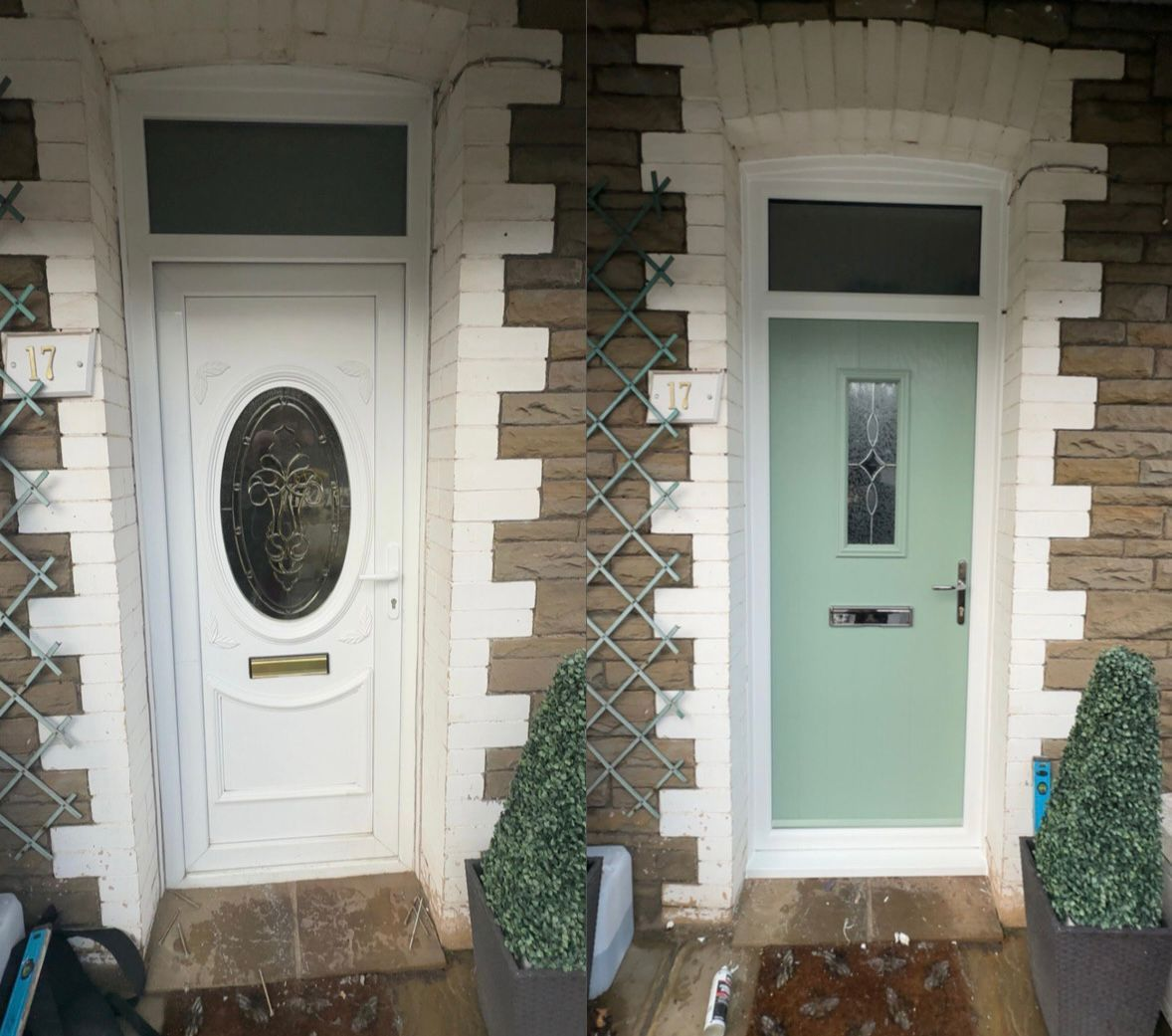
What we check on survey
- we measure the gap at the top, bottom and lock side to work out which way it has moved
- we check whether the frame is square in the opening before touching the hinges
- we look at the threshold for scrape marks, which show exactly where it's catching
- we test the hooks against the keeps once it's back in square
How it's priced
Adjustment is a short visit with no parts. Hinge replacement adds the cost of the hinge set. A replacement slab into an existing sound frame is far cheaper than a full door and frame, and we'll quote both where it's genuinely a choice.
How urgent is it? Sort it early. A dragging door wears the threshold seal, then lets water in, and the misalignment steadily loads the locking hooks until the gearbox goes too.
Why this comes up in Cardiff
- Council
- Cardiff
- Postcodes
- CF10, CF11, CF14, CF23, CF24, CF5
- Main route
- A48
- Nearest town
- Penarth (4 mi)
Around Cyncoed, Llanishen, Roath the recurring local factors are heritage-friendly frame profiles in conservation streets; traffic noise on the A48 ring; single-glazed bays losing heat in tall Victorian rooms. Commercial neighbours such as Cardiff Bay, Capital Business Park and the Llanishen industrial belt change the exposure again on the elevations that face them, and the Cardiff Council area sets the standards any replacement work is signed off against.
- Cyncoed
- Llanishen
- Roath
- Cathays
- Penylan
- Whitchurch
- Pontprennau
- Rhiwbina
- Heath
- Grangetown
- Splott
- Canton
- Llandaff
- Radyr
- Gabalfa
- Ely
- Adamsdown
What we typically find on survey
- The frame colour has gone chalky on the sun side and stayed factory white on the shaded elevation.
- The Yale night-latch on top of the multipoint is a sign the resident does not trust the primary lock.
- Original beads have been over-painted so many times they no longer clip flush and rattle in a gust.
- There is a live crack running from the top corner of a bay-window pane where the frame has been out of square since installation.
- A previous fitter left the transport wedges in the frame corners and the internal seal never fully reset.
- The multipoint gearbox on the front door still throws, but the hooks miss the keeps by 2mm on the middle throw.
How we actually carry out the work
- The perimeter tape between frame and reveal is a compressible foam tape, not a plain butyl strip.
- The letterplate cowl is checked to swing free without touching the door face — a rubbing cowl marks the paint within weeks.
- The internal trim goes on with pin nails through the flange, not straight through the visible face.
- The crew asks the client where the kettle lives before they set up so tea gets made rather than negotiated.
- The multipoint hooks are lightly greased after fitting, before the door is closed for the first time.
- The window boards are pre-treated on the underside with a moisture seal before setting in place.
Your realistic options
Modern flag and butt hinges adjust laterally, vertically and for compression. Bringing a dropped slab back to square is usually a matter of millimetres, done in one visit.
Where the screw threads have stripped into the frame, we re-fix into fresh reinforcement or replace the hinge entirely rather than over-tightening a failing fixing.
If the slab has bowed across its width or the skin has separated from the core, adjustment won't hold and the door needs replacing.
A dropped door is a repair job by default. The only honest reason to replace is physical distortion of the slab itself, or a frame that's no longer square in an opening that has moved. We measure the diagonals before we recommend anything.
What actually causes it
- 1hinge screws working loose into the frame reinforcement over years of use
- 2a heavy slab with glazing and a letterplate loading the top hinge more than it was set for
- 3the frame itself moving because it was fitted without enough fixings into the reveal
- 4settlement in the opening, particularly on older properties with soft mortar beds
- 5thermal expansion of a dark slab on a south-facing elevation during a heatwave
What you'll notice first
- the bottom corner of the door scrapes the threshold or the frame as it closes
- the gap along the top of the door is visibly wider on one side
- the door drags on the weather bar and leaves a witness mark
- you need a knee or a shoulder to bring the door up to the keeps
Stopping it coming back
- don't hang anything heavy on the door — wreaths and door gyms both load the top hinge
- check the hinge caps once a year and nip up anything that has loosened
- keep the threshold clear of grit, which grinds the seal and hides early dragging
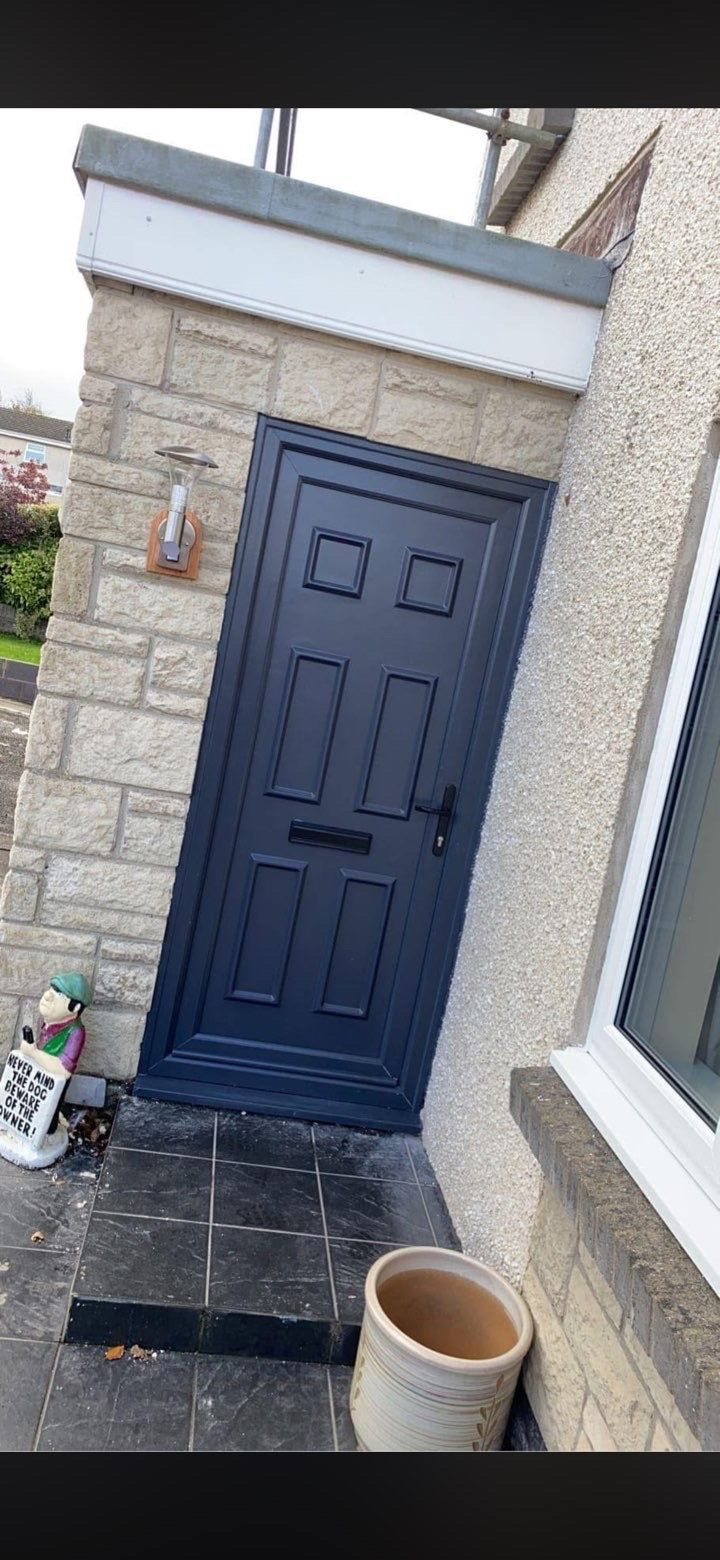
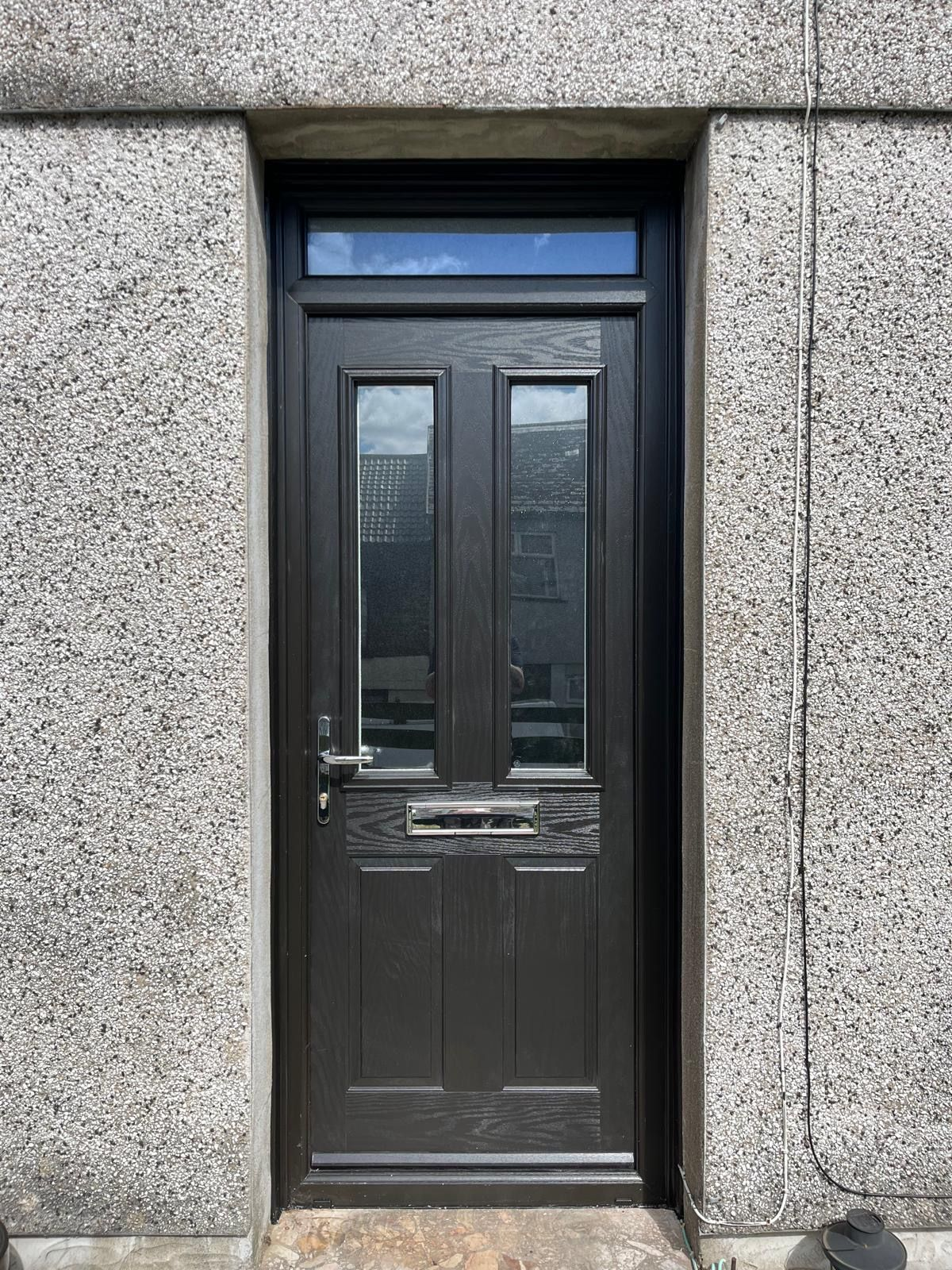
Dropped Or Sticking Composite Door — questions we get asked
Can a dropped composite door be adjusted or does it need replacing?
Adjusted, in the large majority of cases. Composite doors hang on adjustable hinges specifically so the slab can be brought back into square as the building moves.
Why does it only stick in hot weather?
Dark slabs on sunny elevations expand a little. If the door was fitted with tight tolerances it will bind at the peak of a hot spell and free up again — we can set slightly more clearance so it doesn't.
Should I take the door off and re-hang it myself?
No need. The hinges adjust in place with the door hung, and taking a composite slab off unsupported is how thresholds and skins get damaged.
How quickly can someone look at it in Cardiff?
We run the A48 corridor regularly, so a survey in Cardiff is usually available within the week and the written quote follows within 24 hours of the visit.
Is a dropped composite door more common on Cardiff properties?
It's shaped by the local stock. With Edwardian and Victorian bay-fronted houses in Cathays and Roath, 1930s semis in Llanishen, modern builds in Pontprennau, plus heritage-friendly frame profiles in conservation streets and traffic noise on the A48 ring and single-glazed bays losing heat in tall Victorian rooms, the components involved in this fault tend to age faster here than on sheltered inland new-builds.
If replacement is the answer
Other faults we see in Cardiff
Most of the heat leaves through the roof and the frames, so that's where the money should go first.
ReadWhich face the water sits on tells you everything: inside is ventilation, between the panes is a failed unit, outside is normal physics.
ReadMost break-ins through glazed openings exploit the cylinder or the keeps, both of which are upgradeable in an afternoon.
ReadFull background on a dropped composite door
The main guide covers the mechanics of this fault in more depth, without the Cardiff context.
Read the Dropped Or Sticking Composite Door guide →Let's make your house feel more like home.
Fill in a few details and we'll come back within 24 hours with a clear quote — no callout fee, no pressure.