
Cold Conservatory In Winter
Most of the heat leaves through the roof and the frames, so that's where the money should go first.
Most people landing here want one thing: to make an unusable winter room usable without rebuilding it. That's what this page answers — no scare tactics, no automatic upsell to a full replacement.
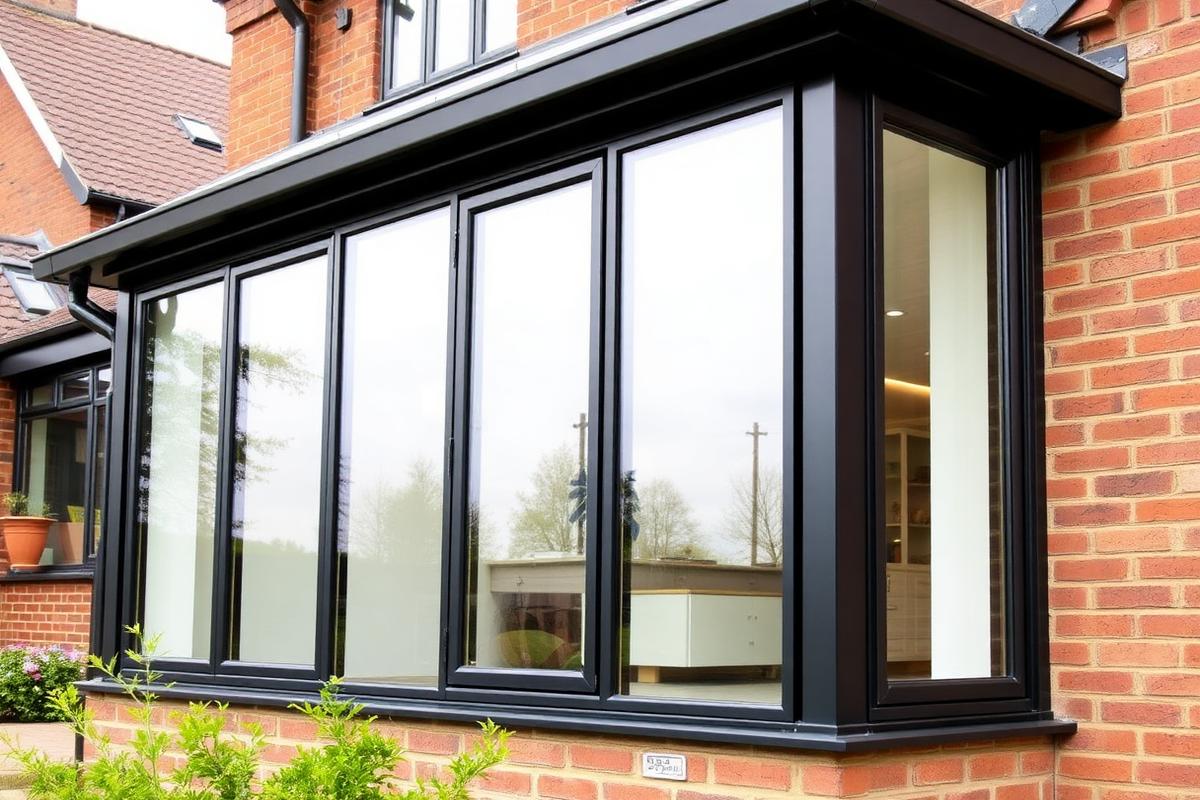
What you'll notice first
- the room being unusable from November to March whatever the heating does
- condensation running down the inside of the glazing on cold mornings
- the room baking in July and freezing in January
- the connecting door kept shut permanently to stop the cold reaching the house
What actually causes it
- 1an original polycarbonate roof with very poor insulation value
- 2single-glazed or early double-glazed side frames with no low-E coating
- 3unsealed junctions at the wall plate and the base wall
- 4no thermal separation between a cold floor slab and the room
Your realistic options
Replacing polycarbonate with a modern insulated or solid roof system is the single biggest change, because the roof is the largest and worst-performing surface.
Low-E argon units in the side elevations, plus proper gaskets, cut both the heat loss and the condensation.
Wall plate, base wall and door threshold sealed properly. Unglamorous, cheap, and it removes the draught that makes the room feel colder than the thermometer says.
You very rarely need to demolish a conservatory. Roof, glazing and junction sealing between them turn most cold conservatories into year-round rooms. Full rebuild only makes sense when the base wall or the frames have failed structurally.
What we check on survey
- we check the existing roof type first, because it dictates everything else
- we look at the wall plate junction, where a surprising amount of air moves
- we check whether the base wall is cavity or single skin
- we ask how you actually want to use the room, since a dining room and a store need different specs
How it's priced
Roof replacement is the largest element and is priced by roof area and system. Glazing upgrades are per pane. Junction sealing is a short labour item. We'll break the quote into those stages so you can phase it if you'd rather.
How urgent is it? Seasonal. Plan it in spring or summer — roof and glazing work in a conservatory is much less disruptive out of the cold months.
Stopping it coming back
- keep the roof gutters and valleys clear so water isn't sitting against the seals
- ventilate the room in summer rather than sealing it up, to keep the frames from cooking
- don't rely on a plug-in heater as the permanent answer — it masks the heat loss and costs a fortune
Cold Conservatory In Winter — questions we get asked
Is a solid conservatory roof worth it?
For year-round use, yes — it's the change that makes the biggest difference. Check whether your structure and base can carry the load; a survey answers that quickly.
Do I need building regulations approval for a new conservatory roof?
Often, yes, because replacing a lightweight roof with a solid one changes the loading and the thermal element. We'd tell you to confirm with your local authority before ordering.
Will underfloor heating fix a cold conservatory?
It makes the room pleasant but it doesn't stop the heat loss, so running costs stay high. Fix the roof and glazing first, then heat it.
Can I just upgrade the glazing and leave the roof?
You'll feel an improvement, but the roof is the biggest surface and the worst performer, so you'd be leaving most of the benefit on the table.
If replacement is the answer
Cold Conservatory In Winter in your town
Other faults worth ruling out
Yellowing is cosmetic and treatable; splits at the welded corners are structural and aren't.
ReadWhich face the water sits on tells you everything: inside is ventilation, between the panes is a failed unit, outside is normal physics.
ReadA door that needs lifting, shoving or a second attempt to lock is warning you before the gearbox fails completely.
ReadLet's make your house feel more like home.
Fill in a few details and we'll come back within 24 hours with a clear quote — no callout fee, no pressure.