
Condensation On Windows in Cardiff
Capital city — everything from Edwardian conservation-area bays to glass-fronted Bay apartments. That mix of housing is why we won't quote window condensation in Cardiff off a photograph. A Cyncoed property and a newer Roath build present the same symptom for different reasons, and the fix differs accordingly. 10 miles from base, A470 the whole way — Cardiff installs run as smoothly as our home patch.
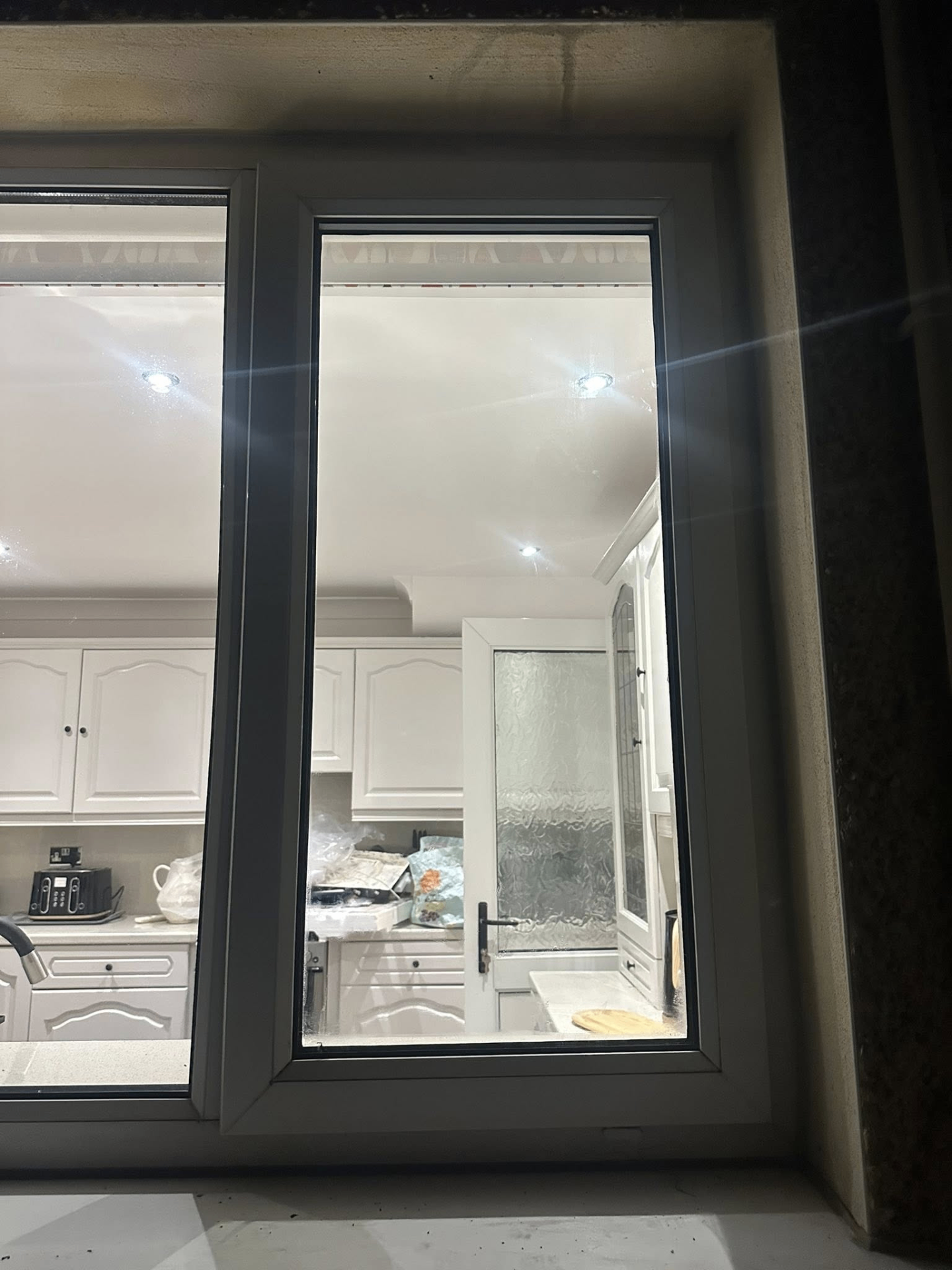
Stopping it coming back
- run the extractor for ten minutes after a shower rather than switching it off with the light
- keep internal doors to bathrooms and kitchens shut while moisture is being generated
- leave a gap behind wardrobes on external walls so air can move across the cold surface
What we check on survey
- we ask which face the water is on before anything else, because it changes the entire diagnosis
- we check whether extractors actually terminate outside
- we look for mould patterning at the top corners, the classic cold-bridge signature
- we note whether the affected rooms are the ones generating moisture
How it's priced
Retrofitting trickle vents to existing sashes is a small job. Upgrading to low-E argon units is priced per opening. A full-elevation replacement is a different order of cost and only worth quoting once the ventilation side has been ruled out.
How urgent is it? Deal with persistent internal condensation quickly — sustained surface moisture grows mould on the reveal, and mould on plaster is a decorating job on top of the original fix.
What we typically find on survey
- The multipoint lock still throws but the internal handle has 40° of dead travel before engaging.
- The bottom hinge on the front door has torn its top screw fixing free of the frame.
- The composite slab has swelled by 2mm on the hinge stile from years of morning-sun exposure.
- The internal glazing bead sits proud of the frame by 1.5mm, so the seal at the top corner has failed first.
- The hinges are all dropped one notch from level, taking the sash out of square against the outer frame.
- The concrete cill under the door has heaved by 3mm across the two-metre span, tilting the whole threshold.
How we actually carry out the work
- The composite slab is not cut on site — if it does not fit, a new slab is ordered rather than trimmed.
- The frame reinforcement steel is confirmed by knock-test before selecting the fixing pattern.
- Door thresholds are set with a spirit level along their full length and then re-checked with a straight edge.
- The reveal is brushed down and vacuumed before any sealant runs, so the bead adheres to substrate, not dust.
- The old handles are offered to the client before being binned — sometimes a chrome D-handle finds a shed door life.
- The trim between the frame and the plaster line goes on last, after the sealant has set and been proven leak-tight.
Why this comes up in Cardiff
- Council
- Cardiff
- Postcodes
- CF10, CF11, CF14, CF23, CF24, CF5
- Main route
- A48
- Nearest town
- Penarth (4 mi)
Around Cyncoed, Llanishen, Roath the recurring local factors are heritage-friendly frame profiles in conservation streets; traffic noise on the A48 ring; single-glazed bays losing heat in tall Victorian rooms. Commercial neighbours such as Cardiff Bay, Capital Business Park and the Llanishen industrial belt change the exposure again on the elevations that face them, and the Cardiff Council area sets the standards any replacement work is signed off against.
- Cyncoed
- Llanishen
- Roath
- Cathays
- Penylan
- Whitchurch
- Pontprennau
- Rhiwbina
- Heath
- Grangetown
- Splott
- Canton
- Llandaff
- Radyr
- Gabalfa
- Ely
- Adamsdown
What actually causes it
- 1internal condensation: warm damp air meeting the coldest surface in the room, which is nearly always the glass
- 2drying laundry indoors, unvented tumble dryers and lidless pans adding litres of moisture a day
- 3extractor fans that run but vent into a loft rather than outside
- 4sealed unit failure, if the water is genuinely between the panes and can't be wiped
- 5external condensation on the outer pane, which is a sign the glass is insulating well, not badly
What you'll notice first
- water pooling on the inside sill each morning and running onto the plaster
- black spotting appearing on the reveal or the top corner of the frame
- dew on the outside face of the glass at dawn that burns off by mid-morning
- the bathroom or kitchen window streaming while the rest of the house is dry
Your realistic options
Trickle vents opened or retrofitted, extractor performance checked, and a fifteen-minute cross-purge in the morning. Free or cheap, and it fixes the majority of internal condensation.
A low-E soft-coat unit with a warm-edge spacer raises the internal glass surface temperature, so the room's moisture no longer finds a cold enough surface to condense on.
Where the condensation is forming on the frame or the reveal rather than the glass, the cold bridge is the profile or the fitting detail, and replacement with a multi-chamber frame and a properly insulated reveal is the durable answer.
We won't sell windows to solve a laundry problem. If the water is on the room side and the frames are sound, the honest advice is ventilation and heating pattern first. Where the glass surface is genuinely running cold and the units are old single-coated stock, upgrading the glazing does measurably move the dew point.
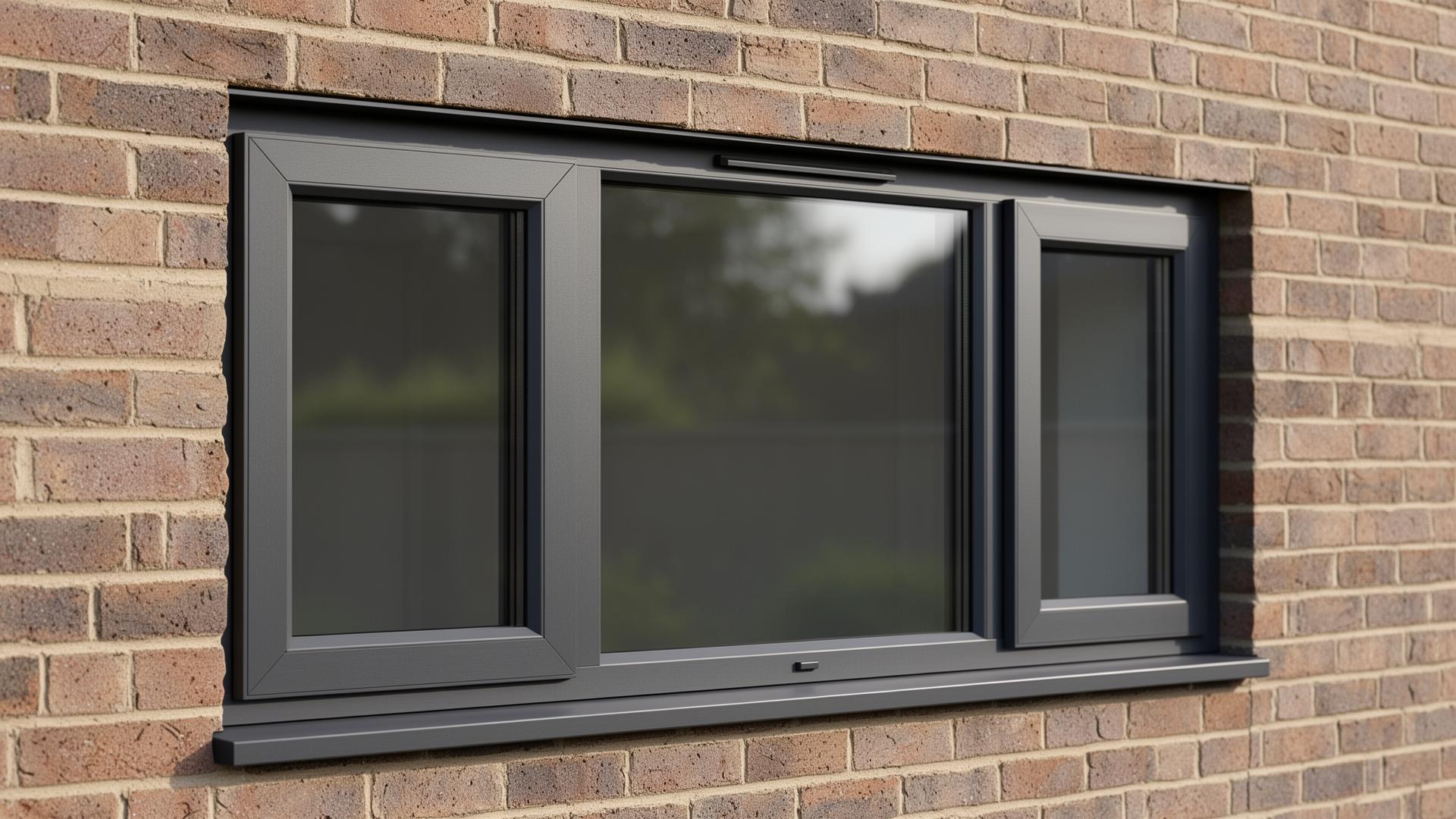
Condensation On Windows — questions we get asked
Why do my new windows have more condensation than the old ones?
Because they're airtight. Old leaky frames ventilated the house accidentally. New windows stop that, so the moisture you were always generating now has to leave deliberately through vents and extraction.
Condensation on the outside of the glass — is that a fault?
No, the opposite. It means so little heat is escaping through the unit that the outer pane drops to dew point overnight. It's a sign the glazing is working.
Will triple glazing stop condensation?
It raises the internal glass temperature further, so the glass is less likely to be the coldest surface. It doesn't remove the moisture — ventilation still has to do that.
Is window condensation more common on Cardiff properties?
It's shaped by the local stock. With Edwardian and Victorian bay-fronted houses in Cathays and Roath, 1930s semis in Llanishen, modern builds in Pontprennau, plus heritage-friendly frame profiles in conservation streets and traffic noise on the A48 ring and single-glazed bays losing heat in tall Victorian rooms, the components involved in this fault tend to age faster here than on sheltered inland new-builds.
Do you cover window condensation across the whole of Cardiff?
Yes — CF10, CF11, CF14, CF23, CF24, CF5 and the surrounding villages, including Cyncoed, Llanishen, Roath, Cathays. 10 miles from base, A470 the whole way — Cardiff installs run as smoothly as our home patch.
If replacement is the answer
Other faults we see in Cardiff
A draught is usually a compression problem — gasket, hinge or seal — long before it's a reason to replace the window.
ReadMost break-ins through glazed openings exploit the cylinder or the keeps, both of which are upgradeable in an afternoon.
ReadFrench doors are a pair, so the fault is usually in how the two leaves meet rather than in either leaf on its own.
ReadFull background on window condensation
The main guide covers the mechanics of this fault in more depth, without the Cardiff context.
Read the Condensation On Windows guide →Let's make your house feel more like home.
Fill in a few details and we'll come back within 24 hours with a clear quote — no callout fee, no pressure.