
Sorting noise-reducing glazing in Cardiff and CF10
If you're dealing with noise-reducing glazing in Cardiff, the first job is separating the symptom from the cause — and that's genuinely worth doing before anyone quotes you. Traffic noise on the A48 ring is the local condition that most often pushes this fault along, particularly on exposed elevations around Cyncoed and Llanishen.
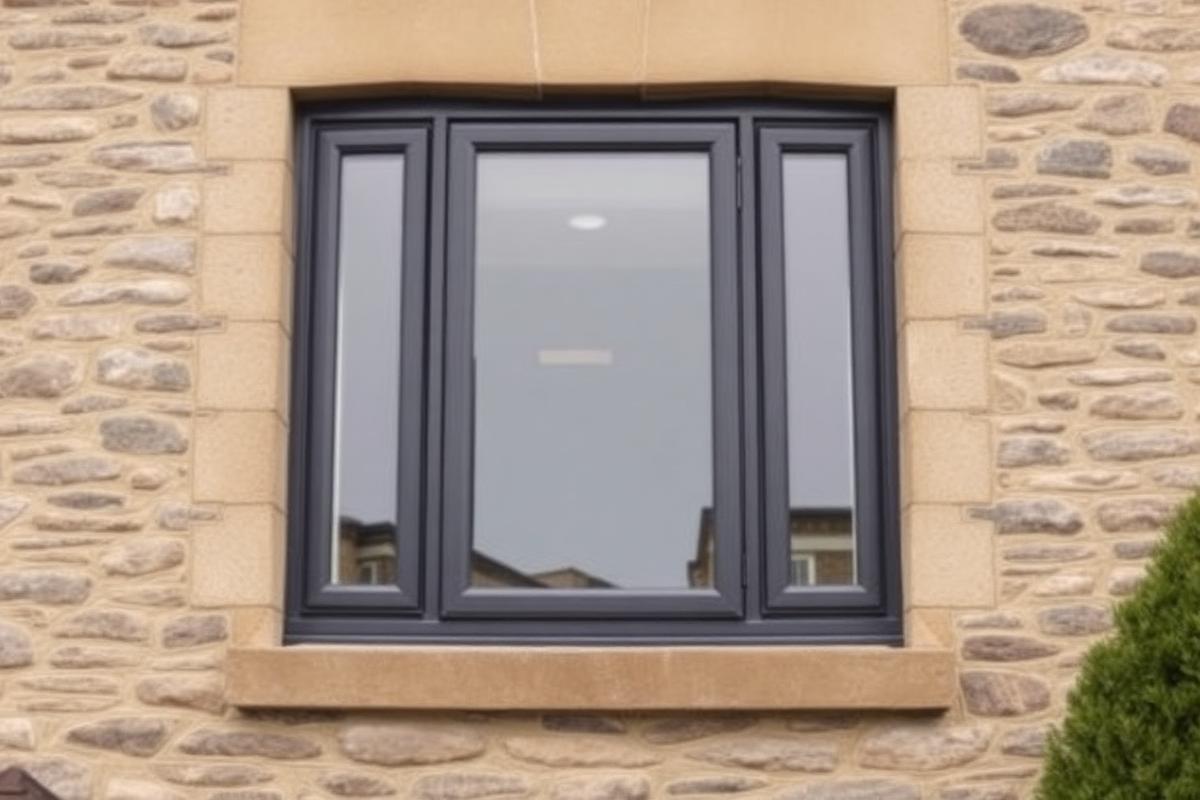
Your realistic options
Different thicknesses on each pane — say 6mm outer against 4mm inner — break the shared resonance and give a real, audible reduction.
A PVB acoustic interlayer damps the pane itself. This is the single most effective upgrade for a busy road frontage.
Whatever the glass, sound follows the gaps. A frame that compresses properly on a good gasket does as much for a noisy room as an expensive glass spec.
If your frames are sound and the glass is symmetric standard double glazing, an acoustic unit swap into the existing frames is the efficient route. Full replacement is right where the frames leak — because acoustic glass in a draughty frame is money spent on the wrong half of the problem.
Stopping it coming back
- keep gaskets supple so the frame keeps sealing as it ages
- seal gaps around the reveal and behind the sill when redecorating
- fit a brush-and-flap letterplate if a front door opens straight onto a busy pavement
What we typically find on survey
- There is a paint bridge from the internal architrave to the frame that will crack the moment the new unit lifts out.
- The window boards inside are chipboard, swollen at the edges from years of trickle condensation.
- The internal reveal architrave has been re-fixed with panel pins that have rusted and stained the paintwork.
- The composite slab has swelled by 2mm on the hinge stile from years of morning-sun exposure.
- A cracked pane has been temporarily patched with clear tape and left for six months.
- The frame colour has gone chalky on the sun side and stayed factory white on the shaded elevation.
How we actually carry out the work
- The letterplate brush strip is trimmed to the exact height of the door thickness so it seals without dragging.
- The keys are handed to the client only after the lock has been thrown four times in and out from both sides.
- The client's paint colour is sampled at the survey visit and matched at the office before the fitters arrive on install day.
- The frame drainage slots are checked and blown clear before the beads go in — a plugged slot fills the chamber.
- The frame perimeter sealant is a low-modulus polymer where the substrate is going to move — plain silicone otherwise.
- The dustsheet inside the room is a heavy canvas taped to the skirting, not a light plastic left loose.
What actually causes it
- 1two panes of the same thickness resonating together at the same frequency
- 2a narrow cavity that couples the panes acoustically
- 3poor frame compression, so sound leaks round the sash rather than through the glass
- 4unsealed trickle vents and letterplates acting as direct sound paths
What we check on survey
- we ask which rooms and which times of day, because a front bedroom and a back kitchen need different answers
- we check the existing pane thicknesses before recommending an asymmetric build-up
- we test frame compression, since a leaking seal undoes an expensive glass spec
- we look at letterplates, vents and gaps round the reveal as flanking paths
How it's priced
Acoustic laminated units carry a clear premium over standard glass, and the premium rises with pane thickness. We price the acoustic option alongside the standard one so you can decide whether the difference is worth it for that specific room.
How urgent is it? No urgency, but it's the kind of upgrade worth bundling with any glazing work you're already planning rather than doing twice.
Why this comes up in Cardiff
- Council
- Cardiff
- Postcodes
- CF10, CF11, CF14, CF23, CF24, CF5
- Main route
- A48
- Nearest town
- Penarth (4 mi)
Around Cyncoed, Llanishen, Roath the recurring local factors are heritage-friendly frame profiles in conservation streets; traffic noise on the A48 ring; single-glazed bays losing heat in tall Victorian rooms. Commercial neighbours such as Cardiff Bay, Capital Business Park and the Llanishen industrial belt change the exposure again on the elevations that face them, and the Cardiff Council area sets the standards any replacement work is signed off against.
- Cyncoed
- Llanishen
- Roath
- Cathays
- Penylan
- Whitchurch
- Pontprennau
- Rhiwbina
- Heath
- Grangetown
- Splott
- Canton
- Llandaff
- Radyr
- Gabalfa
- Ely
- Adamsdown
What you'll notice first
- traffic clearly audible in a front bedroom with the window shut
- low-frequency rumble from a main road that the current glazing doesn't touch
- conversation and door slams from the street carrying into the front room
- the room being noticeably quieter when you press the sash tight to the frame
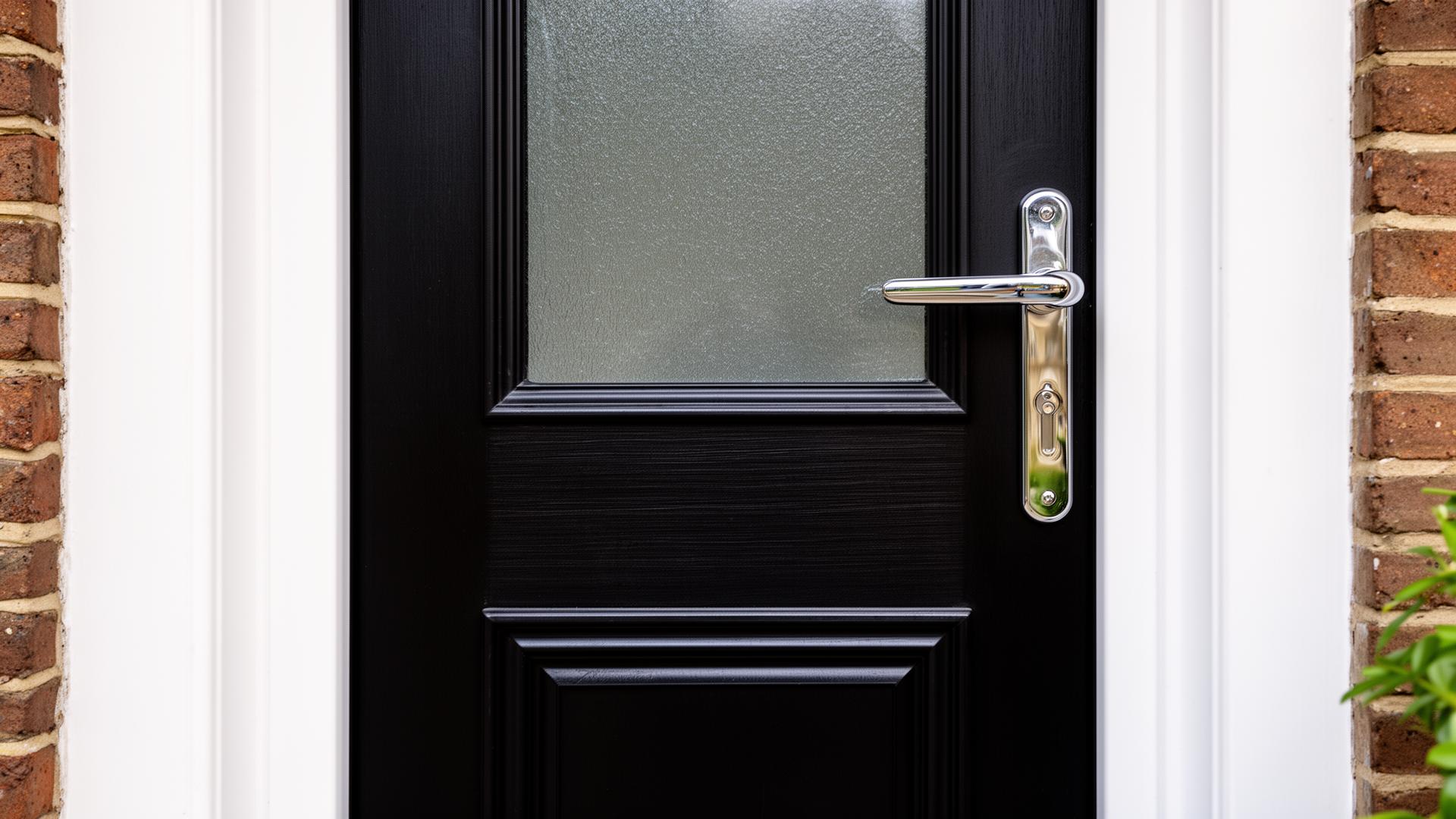
Reducing Road Noise With Better Glazing — questions we get asked
Does triple glazing reduce noise more than double?
Not automatically. Three equal panes can resonate together and perform no better than a well-specified asymmetric double unit. Triple glazing wins on heat; acoustic laminate wins on noise.
What's the best glass for a busy road?
An asymmetric unit with an acoustic laminated inner pane. It damps the pane and breaks the resonance at the same time.
Will secondary glazing be better?
For very heavy noise and where the original windows must stay, secondary glazing with a wide air gap performs extremely well. It's less convenient to use day to day.
Is noise-reducing glazing more common on Cardiff properties?
It's shaped by the local stock. With Edwardian and Victorian bay-fronted houses in Cathays and Roath, 1930s semis in Llanishen, modern builds in Pontprennau, plus heritage-friendly frame profiles in conservation streets and traffic noise on the A48 ring and single-glazed bays losing heat in tall Victorian rooms, the components involved in this fault tend to age faster here than on sheltered inland new-builds.
How quickly can someone look at it in Cardiff?
We run the A48 corridor regularly, so a survey in Cardiff is usually available within the week and the written quote follows within 24 hours of the visit.
If replacement is the answer
10-year sealed unit guarantee, 10-year frame, 2-year fitting
10-year product guarantee, 2-year fit warranty, lifetime hardware servicing
10-year product, 2-year fitting, lifetime hardware servicing
10-year powder-coat guarantee, 2-year fit warranty
Other faults we see in Cardiff
Fog between the panes means the sealed unit has failed — the glass can usually be swapped without touching the frame.
ReadA sliding door that fights you is nearly always rollers and track debris, not a dead door.
ReadHandles are a cheap wearing part — the trick is matching spindle length, backset and screw centres so it fits first time.
ReadFull background on noise-reducing glazing
The main guide covers the mechanics of this fault in more depth, without the Cardiff context.
Read the Reducing Road Noise With Better Glazing guide →Let's make your house feel more like home.
Fill in a few details and we'll come back within 24 hours with a clear quote — no callout fee, no pressure.