
Reducing Road Noise With Better Glazing
Asymmetric glass thickness and a good frame seal cut traffic noise; simply adding a third identical pane often doesn't.
Most people landing here want one thing: to find out which glazing spec actually cuts traffic noise, and which upgrades don't. That's what this page answers — no scare tactics, no automatic upsell to a full replacement.
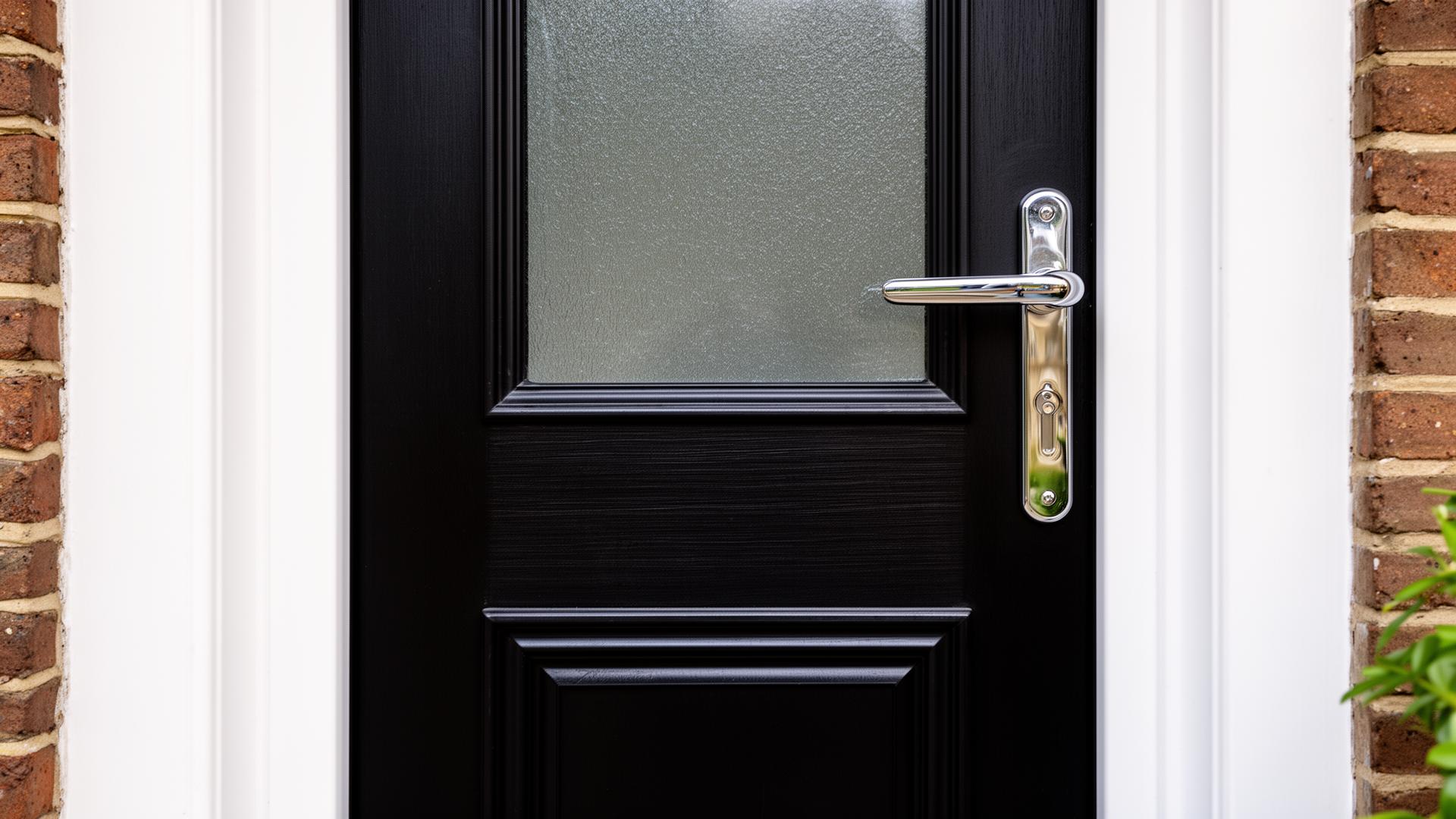
What you'll notice first
- traffic clearly audible in a front bedroom with the window shut
- low-frequency rumble from a main road that the current glazing doesn't touch
- conversation and door slams from the street carrying into the front room
- the room being noticeably quieter when you press the sash tight to the frame
What actually causes it
- 1two panes of the same thickness resonating together at the same frequency
- 2a narrow cavity that couples the panes acoustically
- 3poor frame compression, so sound leaks round the sash rather than through the glass
- 4unsealed trickle vents and letterplates acting as direct sound paths
Your realistic options
Different thicknesses on each pane — say 6mm outer against 4mm inner — break the shared resonance and give a real, audible reduction.
A PVB acoustic interlayer damps the pane itself. This is the single most effective upgrade for a busy road frontage.
Whatever the glass, sound follows the gaps. A frame that compresses properly on a good gasket does as much for a noisy room as an expensive glass spec.
If your frames are sound and the glass is symmetric standard double glazing, an acoustic unit swap into the existing frames is the efficient route. Full replacement is right where the frames leak — because acoustic glass in a draughty frame is money spent on the wrong half of the problem.
What we check on survey
- we ask which rooms and which times of day, because a front bedroom and a back kitchen need different answers
- we check the existing pane thicknesses before recommending an asymmetric build-up
- we test frame compression, since a leaking seal undoes an expensive glass spec
- we look at letterplates, vents and gaps round the reveal as flanking paths
How it's priced
Acoustic laminated units carry a clear premium over standard glass, and the premium rises with pane thickness. We price the acoustic option alongside the standard one so you can decide whether the difference is worth it for that specific room.
How urgent is it? No urgency, but it's the kind of upgrade worth bundling with any glazing work you're already planning rather than doing twice.
Stopping it coming back
- keep gaskets supple so the frame keeps sealing as it ages
- seal gaps around the reveal and behind the sill when redecorating
- fit a brush-and-flap letterplate if a front door opens straight onto a busy pavement
Reducing Road Noise With Better Glazing — questions we get asked
Does triple glazing reduce noise more than double?
Not automatically. Three equal panes can resonate together and perform no better than a well-specified asymmetric double unit. Triple glazing wins on heat; acoustic laminate wins on noise.
What's the best glass for a busy road?
An asymmetric unit with an acoustic laminated inner pane. It damps the pane and breaks the resonance at the same time.
Will secondary glazing be better?
For very heavy noise and where the original windows must stay, secondary glazing with a wide air gap performs extremely well. It's less convenient to use day to day.
Can you just swap the glass in my existing windows?
If the frames and beads take the extra thickness, yes. We check the rebate depth on survey before we promise it.
If replacement is the answer
10-year sealed unit guarantee, 10-year frame, 2-year fitting
10-year product guarantee, 2-year fit warranty, lifetime hardware servicing
10-year product, 2-year fitting, lifetime hardware servicing
10-year powder-coat guarantee, 2-year fit warranty
Reducing Road Noise With Better Glazing in your town
Other faults worth ruling out
A draught is usually a compression problem — gasket, hinge or seal — long before it's a reason to replace the window.
ReadFog between the panes means the sealed unit has failed — the glass can usually be swapped without touching the frame.
ReadRot in the bottom rail is repairable; rot that has reached the joints and the cill usually isn't worth chasing.
ReadLet's make your house feel more like home.
Fill in a few details and we'll come back within 24 hours with a clear quote — no callout fee, no pressure.