
Pontypool a cold conservatory: what it means and what it costs
A cold conservatory behaves slightly differently here than it does on newer estates. Ironworks-era stone cottages on the hills, plus Cwmbran-style estates down toward Sebastopol means deeper reveals and older fixings, so what looks like a serious fault often turns out to be adjustment. We cover NP4 on a regular run via A4042, so a diagnostic visit rarely sits in the diary long.
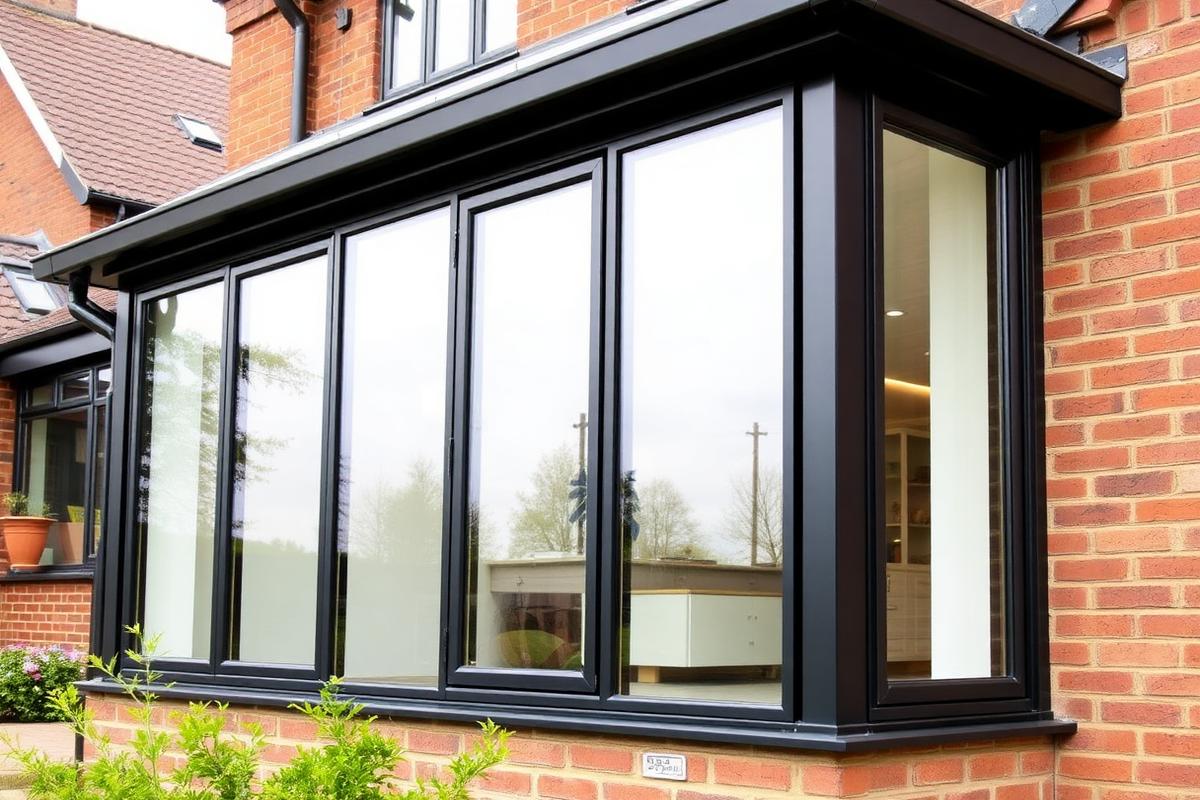
What actually causes it
- 1an original polycarbonate roof with very poor insulation value
- 2single-glazed or early double-glazed side frames with no low-E coating
- 3unsealed junctions at the wall plate and the base wall
- 4no thermal separation between a cold floor slab and the room
Stopping it coming back
- keep the roof gutters and valleys clear so water isn't sitting against the seals
- ventilate the room in summer rather than sealing it up, to keep the frames from cooking
- don't rely on a plug-in heater as the permanent answer — it masks the heat loss and costs a fortune
What we check on survey
- we check the existing roof type first, because it dictates everything else
- we look at the wall plate junction, where a surprising amount of air moves
- we check whether the base wall is cavity or single skin
- we ask how you actually want to use the room, since a dining room and a store need different specs
How it's priced
Roof replacement is the largest element and is priced by roof area and system. Glazing upgrades are per pane. Junction sealing is a short labour item. We'll break the quote into those stages so you can phase it if you'd rather.
How urgent is it? Seasonal. Plan it in spring or summer — roof and glazing work in a conservatory is much less disruptive out of the cold months.
Your realistic options
Replacing polycarbonate with a modern insulated or solid roof system is the single biggest change, because the roof is the largest and worst-performing surface.
Low-E argon units in the side elevations, plus proper gaskets, cut both the heat loss and the condensation.
Wall plate, base wall and door threshold sealed properly. Unglamorous, cheap, and it removes the draught that makes the room feel colder than the thermometer says.
You very rarely need to demolish a conservatory. Roof, glazing and junction sealing between them turn most cold conservatories into year-round rooms. Full rebuild only makes sense when the base wall or the frames have failed structurally.
What we typically find on survey
- The stay arm on the top vent has bent and no longer sits into its rest bracket cleanly.
- The old timber sub-frame under the current uPVC unit is still in place and is soft at the bottom left corner.
- Original door furniture is 90s brass, tarnished, and no longer matches anything else on the elevation.
- One casement's friction stay has been swapped for a random spare that doesn't match the arm geometry.
- The bay-window front elevation has a visible smile — the middle mullion has sagged and taken the head with it.
- The gasket at the vent has perished and pulled away from its channel in two-inch sections.
How we actually carry out the work
- The internal make-good caulk is polymer, tooled with a wet finger and then a spatula for a final radius.
- Trickle vents are drilled through the outer frame with a bespoke jig — not freehand with a spade bit.
- Cylinders come out of the box, get numbered, and are the last thing fitted, so a lost cylinder does not stall the day.
- The bay-corner post is set with a laser level across both faces before the outer frames are trimmed to fit.
- The letterplate is fitted with the internal flap set to close under its own weight without dragging.
- The screws through the outer frame go into pilot-drilled masonry, not driven with hammer action alone.
What you'll notice first
- the room being unusable from November to March whatever the heating does
- condensation running down the inside of the glazing on cold mornings
- the room baking in July and freezing in January
- the connecting door kept shut permanently to stop the cold reaching the house
Why this comes up in Pontypool
- Council
- Torfaen
- Postcodes
- NP4
- Main route
- A4042
- Nearest town
- Cwmbran (4 mi)
Around Griffithstown, Sebastopol, New Inn the recurring local factors are hill exposure and high wind loading on south-facing elevations; single-skin stone walls limiting frame depth; ageing 70s aluminium frames cold-bridging. Commercial neighbours such as Mamhilad Park Estate and Pontypool Industrial Park change the exposure again on the elevations that face them, and the Torfaen County Borough Council area sets the standards any replacement work is signed off against.
- Griffithstown
- Sebastopol
- New Inn
- Pontnewynydd
- Abersychan
- Garndiffaith
- Blaenavon
- Trevethin
- Cwmavon
- Talywain
- Varteg
Cold Conservatory In Winter — questions we get asked
Is a solid conservatory roof worth it?
For year-round use, yes — it's the change that makes the biggest difference. Check whether your structure and base can carry the load; a survey answers that quickly.
Do I need building regulations approval for a new conservatory roof?
Often, yes, because replacing a lightweight roof with a solid one changes the loading and the thermal element. We'd tell you to confirm with your local authority before ordering.
Will underfloor heating fix a cold conservatory?
It makes the room pleasant but it doesn't stop the heat loss, so running costs stay high. Fix the roof and glazing first, then heat it.
Is a cold conservatory more common on Pontypool properties?
It's shaped by the local stock. With ironworks-era stone cottages on the hills, plus Cwmbran-style estates down toward Sebastopol, plus hill exposure and high wind loading on south-facing elevations and single-skin stone walls limiting frame depth and ageing 70s aluminium frames cold-bridging, the components involved in this fault tend to age faster here than on sheltered inland new-builds.
Do you cover a cold conservatory across the whole of Pontypool?
Yes — NP4 and the surrounding villages, including Griffithstown, Sebastopol, New Inn, Pontnewynydd. We travel up the A4042 weekly — easy access to NP4 even for full-house jobs with patio doors.
If replacement is the answer
Other faults we see in Pontypool
A composite slab that catches on the frame has almost always moved at the hinges, and hinges are adjustable in three planes.
ReadHandles are a cheap wearing part — the trick is matching spindle length, backset and screw centres so it fits first time.
ReadA door that needs lifting, shoving or a second attempt to lock is warning you before the gearbox fails completely.
ReadFull background on a cold conservatory
The main guide covers the mechanics of this fault in more depth, without the Pontypool context.
Read the Cold Conservatory In Winter guide →Let's make your house feel more like home.
Fill in a few details and we'll come back within 24 hours with a clear quote — no callout fee, no pressure.