
Coastal-property casement windows in Barry
If you've got a coastal seaside home on your hands in Barry, the recurring problem when quoting casement windows is salt corrosion on cheap chrome hardware within 2–3 years. Sticky old aluminium or timber casements that whistle in wind and won't hold open against a breeze is the paired issue you'll usually hear about at the same visit. Our spec here is chamfered or sculptured 70mm uPVC profile with friction stay hinges with restrictors. Vaulted internal ceilings mean the crew works off a small tower for gable glazing — ground protection sheeting mandatory. Off-street parking makes van access straightforward — we can stage glass in the driveway rather than on the pavement. External cill drips block with paint over the decades — raking them clean stops water sitting on the frame after install. Original front cills are usually blue engineering brick — leave them, drill through them for the frame fixings. Slate roofs shed water tight to the head of the frame; lead flashing detail is usually original and only needs re-dressing. Original Crittall steel casements can be recycled at scrap — worth calling ahead if the client wants the fee. Ex-council reveal openings are generous — swapping to a slimmer profile actually loses daylight, not gains it. Soft verges take van weight for a few hours in dry weather; we stage deliveries around forecast rain. Original leaded lights are worth preserving; specialist restorers pay to buy them if the client wants to sell rather than store. Foil colour on the front elevation reads sympathetic when it lifts a warm undertone from the brick — pure white can look stark.
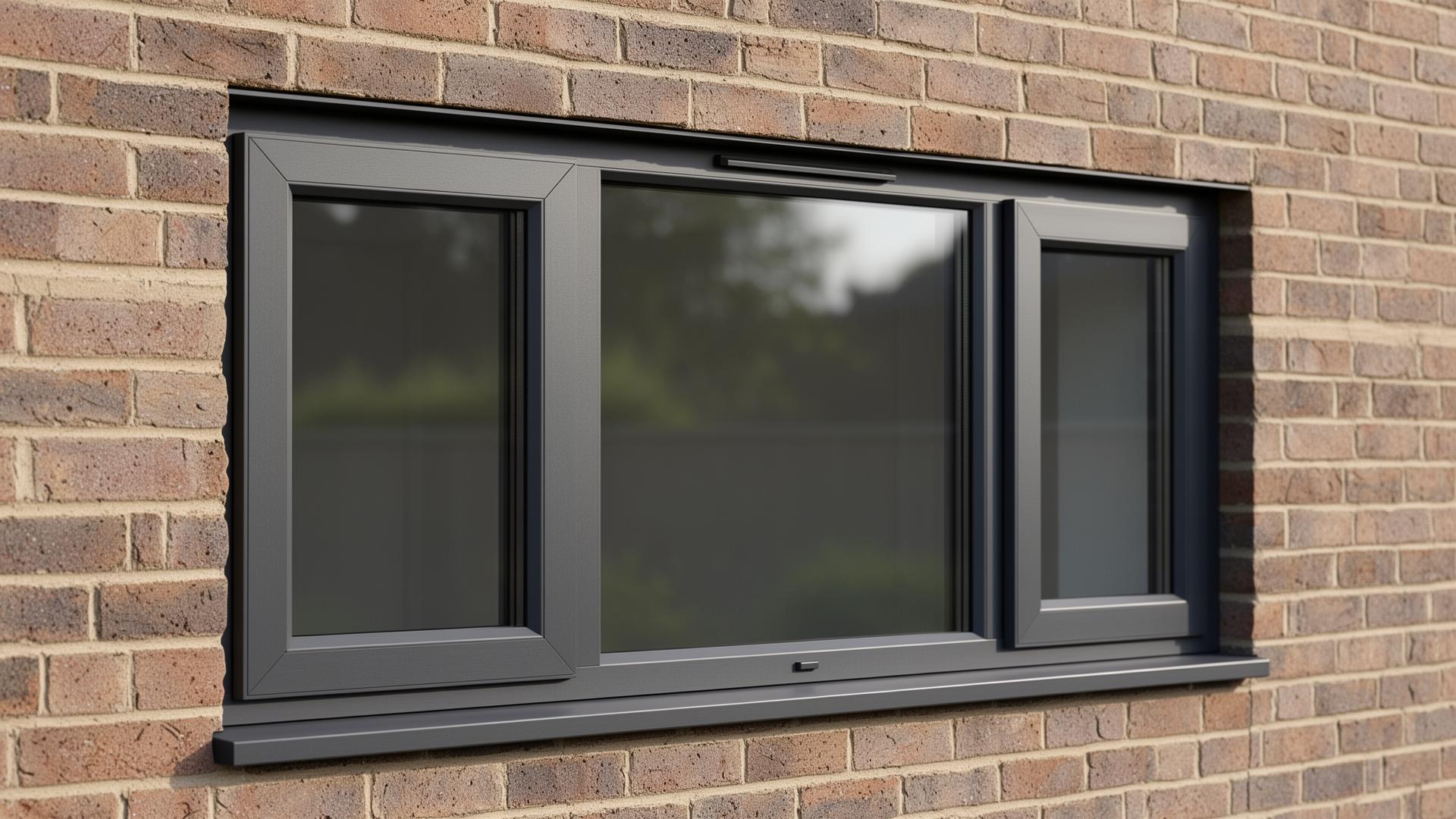
Reveal and install detail
- → Sealant perimeter matters more than usual — wind-driven rain finds every gap.
- → Hardware finish should be marine-grade stainless, not chrome or brass.
Method: old frames cut out cleanly, new casements installed on hardwood packers, restrictor stays fitted at 100mm for child-safety compliance, silicone bead pointed inside and out.
Guarantee: 10-year product, 2-year fitting, lifetime hardware servicing.
Who's asking
Coastal downsizers, holiday-let operators near the seafront, and long-time owners replacing frames that have taken decades of salt.
In Barry specifically that reads as coastal downsizers, families in the newer estates, holiday-let owners near the Island. The recurring driver for a casement windows enquiry is: Owners fixing corroded hardware and heat loss on seafront elevations without needing a full frame swap on inland ones.
Local context — Barry
- Council
- Vale of Glamorgan
- Postcodes
- CF62, CF63
- Main route
- A4226
- Nearest town
- Penarth (5 mi)
Neighbourhoods we cover: Cadoxton, Colcot, Sully, Dinas Powys, Llancarfan, Rhoose. A4055 coast road brings us in cleanly — we time jobs around school traffic on the A4226.
Our casement windows spec for a coastal seaside home
Casement hinges on the seafront take stainless friction stays — steel fails within a couple of winters. Deep frame profiles keep the sealant bead where it needs to be for wind-driven rain. In Barry we see this on the seaside Edwardian terraces near the Island, post-war semis in Cadoxton, modern Highlight Park estates around Barry Island, Cadoxton, Gibbonsdown, usually paired with salt-laden coastal air corroding cheap aluminium and hinges; wind-driven rain off the Bristol Channel; seafront UV fading on south-facing PVC on the same elevation. A4055 coast road brings us in cleanly — we time jobs around school traffic on the A4226. Council area is Vale of Glamorgan Council in Vale of Glamorgan; commercial neighbours include Cardiff Airport Business Park and the Atlantic Trading Estate. Nearby: Penarth 5mi, Cardiff 9mi, Cowbridge 7mi. Local vibe: coastal town with two sides — the Island and seafront, and the residential bowl above it.
Common coastal seaside homes problems we quote casement windows for
- 1Wind-driven rain finding gaps in aged sealant.
- 2Aluminium frames pitting at the fixing points.
- 3Salt corrosion on cheap chrome hardware within 2–3 years.
What we typically find on survey
- ·The friction hinge on a bedroom window has one detent — it either opens fully or slams shut on any breeze.
- ·A previous fitter foam-filled the reveal gap directly against the frame, and the foam has now pushed the jamb inward.
- ·One handle turns freely through 180° with no engagement — a snapped internal cam.
- ·The multipoint keeps have worn a shallow groove where the hooks now catch — closing needs a lift-and-pull.
- ·The frame colour has gone chalky on the sun side and stayed factory white on the shaded elevation.
- ·Original beads have been over-painted so many times they no longer clip flush and rattle in a gust.
- ·Original door furniture is 90s brass, tarnished, and no longer matches anything else on the elevation.
- ·The georgian bar between panes on one unit has slipped off its top spacer and is sitting diagonally inside the sealed cavity.
- ·The reinforcement steel inside the top rail of a wide sash has rusted through in one corner.
- ·The gasket join at the bottom corner has separated by a few millimetres — that's where the draught is coming from.
- ·The friction stays are the wrong hand for the sash — a previous swap fitted left-hand stays on a right-hand window.
- ·The cill drainage caps on a north-facing elevation are frozen in place with layered moss.
- ·Condensation runs down the inside of every north-facing pane between October and March.
- ·A cracked pane has been temporarily patched with clear tape and left for six months.
- ·The frame drainage slots at the bottom are clogged with debris, so rainwater sits inside the chamber.
- ·The multipoint deadbolt still throws but the top hook has stopped catching and no one has noticed for months.
- ·A previous fitter left the transport wedges in the frame corners and the internal seal never fully reset.
- ·The transom bar has a live crack in the plastic, opened up by summer expansion cycles.
- ·The glazing spacer bars are aluminium, not warm-edge — a decade behind current U-value expectation.
- ·The bottom track on the sliding door has a build-up of grit that the rollers grind through every open cycle.
- ·Every casement in the property opens with a firm tug on the second click — the friction stays are seized.
- ·A cat flap has been cut through the lower panel of the back door, weakening the panel and voiding warranty.
- ·A tenant repair on the bathroom window has used bathroom silicone as the primary bead — it's already gone black.
- ·One patio-door interlock has a bent alignment lug — the door jams shut half of the time.
- ·The top hinge on the front door has torn its middle screw out and been left to run on two fixings.
- ·The glazing spacers between panes carry the visible desiccant snowfall that gives away a blown unit.
- ·The door-side glazed sidelight has a shattered internal pane held together by the laminated interlayer.
- ·The composite front door skin has a shallow dent from a delivery bike handlebar and it has ovalised the door.
- ·The bay corner post has never had its structural bracket — a common corner-cutting shortcut a decade ago.
- ·The Yale night-latch on top of the multipoint is a sign the resident does not trust the primary lock.
Why residents are enquiring right now
- ·The homeowner wants the back door to be a family door — kids in and out, and no one having to slam it to lock.
- ·The owner wants the master bedroom quiet enough for a night-shift partner to sleep past 11am.
- ·The resident wants the front to look distinct on a street of five identical houses.
- ·The homeowner is fine spending more if the crew is right — the price is the last question, not the first.
- ·The owner has watched a neighbour's crew leave debris behind and wants a written cleanup expectation on the quote.
- ·The homeowner has just re-rendered the front elevation and wants the frames to be the last piece of the picture.
- ·The owner is done paying to service failing 90s uPVC every couple of years and wants the whole set replaced together.
- ·The resident wants the kitchen brighter in the mornings without losing the privacy from next door's back garden.
- ·The resident is on a listed street and wants a front door that will pass Article 4 first time.
- ·There is a downstairs shower being fitted and the bathroom window needs to be swappable before the tiler starts.
- ·The owner is having a kitchen refit next month and wants the patio door in first so the tiler works to a fitted threshold.
- ·The homeowner has finally accepted the timber back door is beyond another repaint and wants the like-for-like replacement design chosen with them.
- ·The homeowner is on holiday half the year and wants a security spec they can leave for weeks without worrying.
- ·The buyer has just moved in and is fixing everything the vendor's homebuyer report flagged, in priority order.
- ·The owner wants the front door hardware to match a specific interior palette — brass, matt black, or brushed nickel.
- ·The homeowner wants matt black hardware because everything inside the house is matt black — no chrome to argue with.
- ·The buyer wants the porch to stay a porch and not turn into a mud room by function.
- ·The buyer wants a genuine step-up in security, not a marketing claim — PAS24 tested, not PAS24 marketed.
- ·The buyer wants the property to be quieter after 11pm — the street noise is fine, the bass from next door is not.
- ·The resident wants an installer who will point out things the current property is doing well and leave those alone.
- ·The resident has already had one failed installation and wants to know exactly how this one will differ.
- ·The homeowner is planning a loft conversion next year and wants the windows sorted before scaffold cost is priced.
- ·The homeowner has quotes for a new kitchen next spring and wants the patio doors in before those trades arrive.
- ·The buyer wants a full set of the same colour across every elevation, not the current mixed collection.
- ·The owner is preparing the elevation for a specific street-photo listing and wants the finish to be photographable in raking morning light.
- ·The homeowner is on a smart meter and can see the room-by-room heat loss on a phone app.
- ·The resident wants the crew to be locals who won't disappear if a warranty call needs answering in year eight.
- ·The buyer wants no upsell scripts — a survey, a spec, a figure, and space to think.
- ·The homeowner is expecting twins and wants the room-to-room noise transfer down before the arrival.
- ·The resident wants the whole property warm to bare feet on a January morning — the frames are the last variable.
How we actually fit it
- ·The door slab gets a full inspection before hanging — dents, delamination, edge integrity, all noted before fixings go through.
- ·The keeps for the multipoint are set with a strike plate template, not marked by eye against the closed door.
- ·The letterplate cowl is checked to swing free without touching the door face — a rubbing cowl marks the paint within weeks.
- ·The trickle-vent covers are set with their vane orientation matched across a bank of windows for visual consistency.
- ·The threshold has an EPDM strip continuous under the frame — not stitched together across the door width.
- ·The multipoint hooks are lubed with the manufacturer's grease, not household oil that dries and gums.
- ·The old debris leaves in a single tidy load — not skip visits three days apart.
- ·The mitre joins on any Georgian bar are picked to face the corner that is least visible from indoors.
- ·The internal trim goes on with pin nails through the flange, not straight through the visible face.
- ·The internal reveal is masked before any silicone runs, so the finished bead is a clean line against the plaster.
- ·The glazing bead is tapped in with a rubber mallet, not a metal claw — the profile marks otherwise.
- ·The frame reinforcement is chosen for the wind load exposure of the elevation, not the smallest steel that fits.
- ·The lead fitter photographs the reveal condition before the old frame comes out and shares those photos with the office.
- ·The bead-in tools are rubber-faced, not steel — a steel tool marks the profile within minutes.
- ·The letterplate is fitted with the internal flap set to close under its own weight without dragging.
- ·The frame is protected with a low-tack tape at any point a tool might scrape it during the fitting hour.
- ·New frames sit on hardwood packers, not plastic offcuts — plastic creeps under load, timber does not.
- ·The window board is scribed to the plaster line, not left with a caulked gap that shows in raking light.
- ·The door hinges are set with the correct rise before the frame is finally fixed — retro-adjustment on cheap hinges is limited.
- ·The perimeter foam goes in in two passes so the second lift meets the first without a void in the middle.
- ·The reveal is brushed down and vacuumed before any sealant runs, so the bead adheres to substrate, not dust.
- ·The internal cill is scribed to the reveal, not just butted and caulked over the gap.
- ·The trickle vent chamber inside the frame is proven clear with a torch before the outer cap goes on.
- ·The friction stay screws are torque-limited, not driven at full trigger — over-driven screws strip the stay chamber.
- ·The composite door slab is inspected under torchlight for delamination before the hinges are fitted.
- ·The frame perimeter is checked with a smoke pencil for airtightness before the internal trims go on.
- ·The door is closed, locked, and left overnight before final adjustment, so any settlement is captured before sign-off.
- ·The crew photographs the finished elevation from the street and shares it with the office as the sign-off record.
- ·The glass has a factory kite mark visible at handover — not scraped off by a lazy cleaner during the fitting hour.
- ·The frame is plumbed on two axes before the first fixing goes in — not one axis and then trusted.
Owner occupiers doing the whole property in one go
Why casement windows look different to owner occupiers doing the whole property in one go
Whole property work is a different purchase to a single replacement. You are buying two to four days of disruption, a matched set of frames and one point of contact, so this page concentrates on those three things.
What matters most on this kind of job
- An itemised written price so single openings can be added or dropped
- Matching frame colour and hardware finish across the whole property
- The wall around the frame is Hoovered before the client sees the room again — brick dust ages a first impression.
- The friction stay on a new casement is set to the client's preferred restraint at handover — 45°, 90°, or fully open.
Verified Checkatrade feedback from customers who had the full property done in one visit
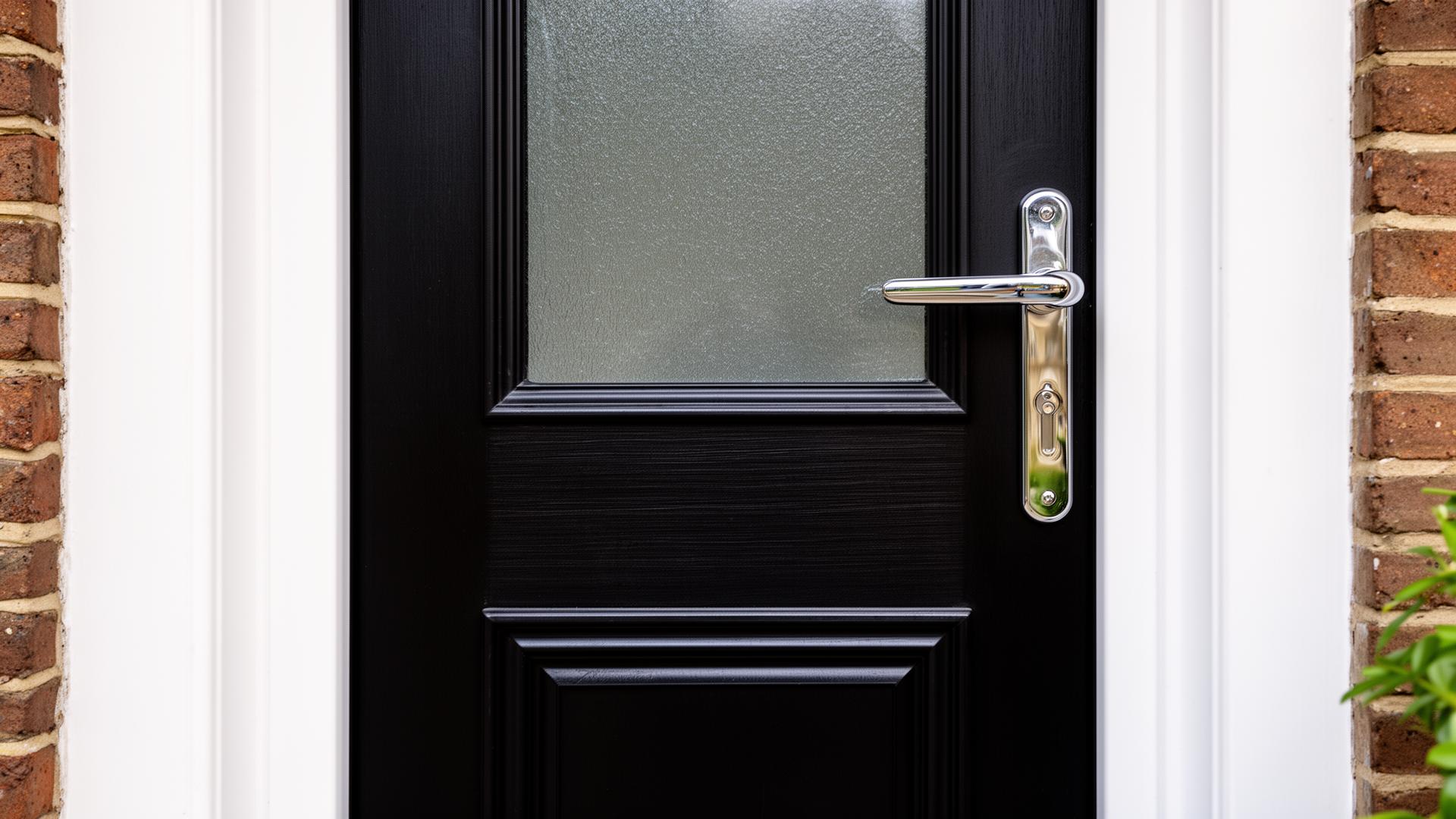
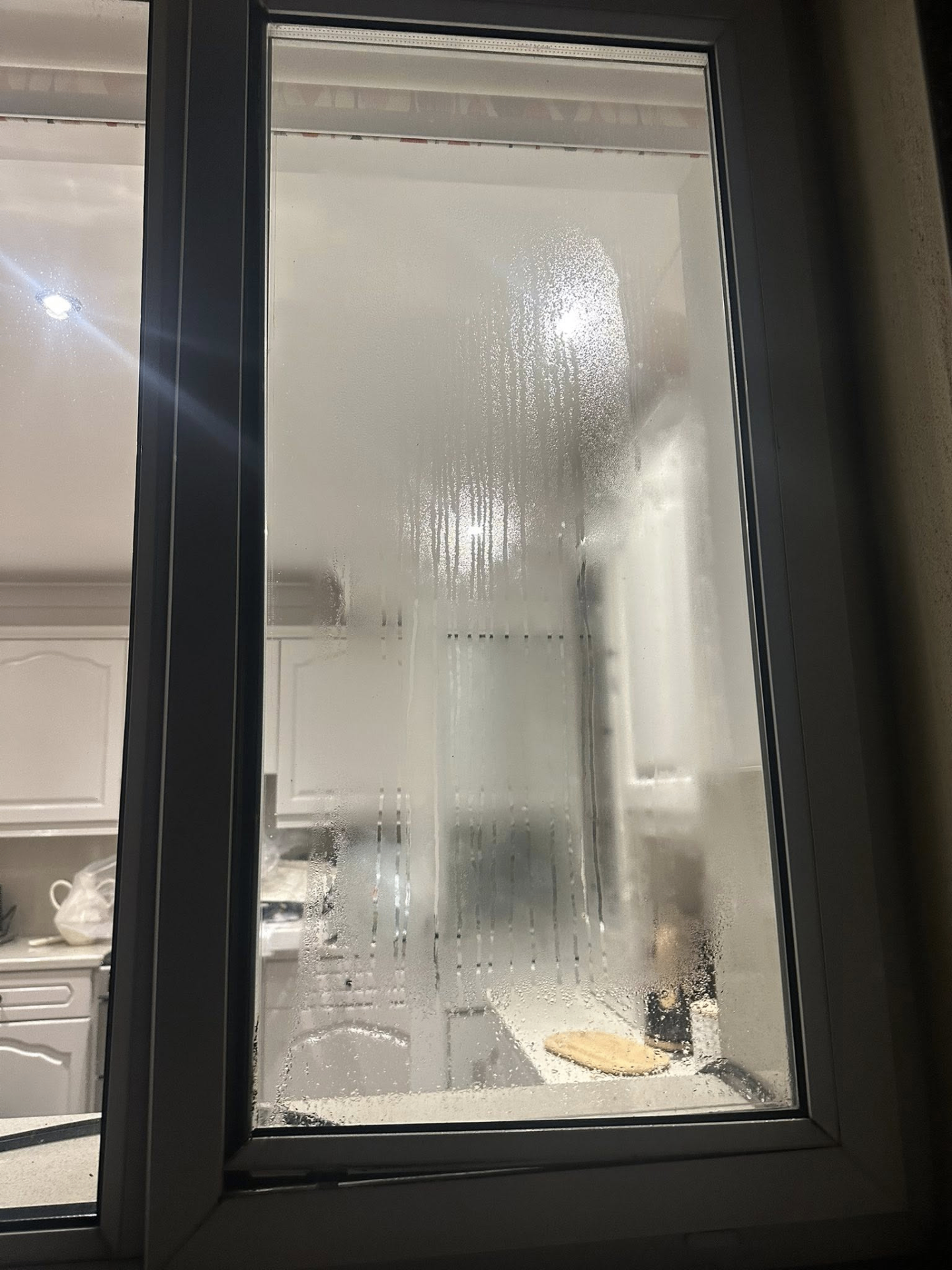
Plan the work around your household in Barry
Tell us the rooms you cannot lose and we will sequence the elevations around them. Most properties are finished in two to four days. Casement windows for coastal seaside homes properties in Barry, 1 window in 90 minutes, full-house in 1–3 days, with a written price inside 24 hours.
Questions we get on coastal seaside homes jobs like this
What do you check at survey on a coastal seaside homes?+
Sealant perimeter matters more than usual — wind-driven rain finds every gap We also sight the openings for square, check the cill detail and confirm access, because getting a van and glass onto the street matters here: A4055 coast road brings us in cleanly — we time jobs around school traffic on the A4226.
What difference will we actually notice afterwards?+
Sticky old aluminium or timber casements that whistle in wind and won't hold open against a breeze. On a coastal seaside homes the first thing owners tend to report is that the room holds heat into the evening instead of dropping as soon as the heating goes off, followed by the drop in road noise. 20-year frame life, hinges serviceable rather than replaceable at 8–10 years.
Do casement windows suit a coastal seaside homes?+
Yes, with the right profile. On a coastal seaside home means the reveal and sightlines drive the specification more than the price list does, and around Barry we allow for salt-laden coastal air corroding cheap aluminium and hinges when we choose the frame and the seal.
Do you fit casement windows on coastal seaside homes around Barry?+
Regularly. Barry Island, CF62 is where most of this work lands, and we also cover Penarth, Cardiff, Cowbridge. A4055 coast road brings us in cleanly — we time jobs around school traffic on the A4226.
Do I have to use the same specification in every room?+
No, and it is usually cheaper not to. Triple glazing where noise or cold is the real complaint, A rated double elsewhere, obscure glass in bathrooms. We price the options side by side at survey.
Will the house be secure overnight during a full replacement?+
Yes. Only one elevation is open at a time and every opening we start is finished, glazed and locked before we leave for the day.
Free casement windows survey — coastal seaside home, Barry
Book a 30-minute visit. We walk every reveal, sample the side-hung, top-hung or fixed pane combinations against the elevation, and email a written figure inside 24 hours.
Summary — casement windows on a coastal seaside home in Barry
A coastal seaside home casement windows install in Barry is a walk-and-quote job — no assumptions from the road. 20-year frame life, hinges serviceable rather than replaceable at 8–10 years on this property type. Estate roads are wide and van-friendly — we can leave the truck in one spot for the whole day without moving. Bay ceiling drops usually have a beam boxed in above — we route silicone around the boxing edge rather than through it. Around Barry that usually means salt-laden coastal air corroding cheap aluminium and hinges on seaside Edwardian terraces near the Island, post-war semis in Cadoxton, modern Highlight Park estates, with Barry Island and Cadoxton the streets we are on most. Rural cottages often have limited off-road parking; the van sits on the road and the crew boards through the front door. Rural access often includes a farm gate and a narrow lane — we check turn-in width at survey. Estate roads are wide and van-friendly — we can leave the truck in one spot for the whole day without moving. Bay ceiling drops usually have a beam boxed in above — we route silicone around the boxing edge rather than through it.
Let's make your house feel more like home.
Fill in a few details and we'll come back within 24 hours with a clear quote — no callout fee, no pressure.