
Sorting rotten timber windows in Pontypridd and CF37
If you're dealing with rotten timber windows in Pontypridd, the first job is separating the symptom from the cause — and that's genuinely worth doing before anyone quotes you. Single-glazed sashes in older terraces is the local condition that most often pushes this fault along, particularly on exposed elevations around Treforest and Graig.
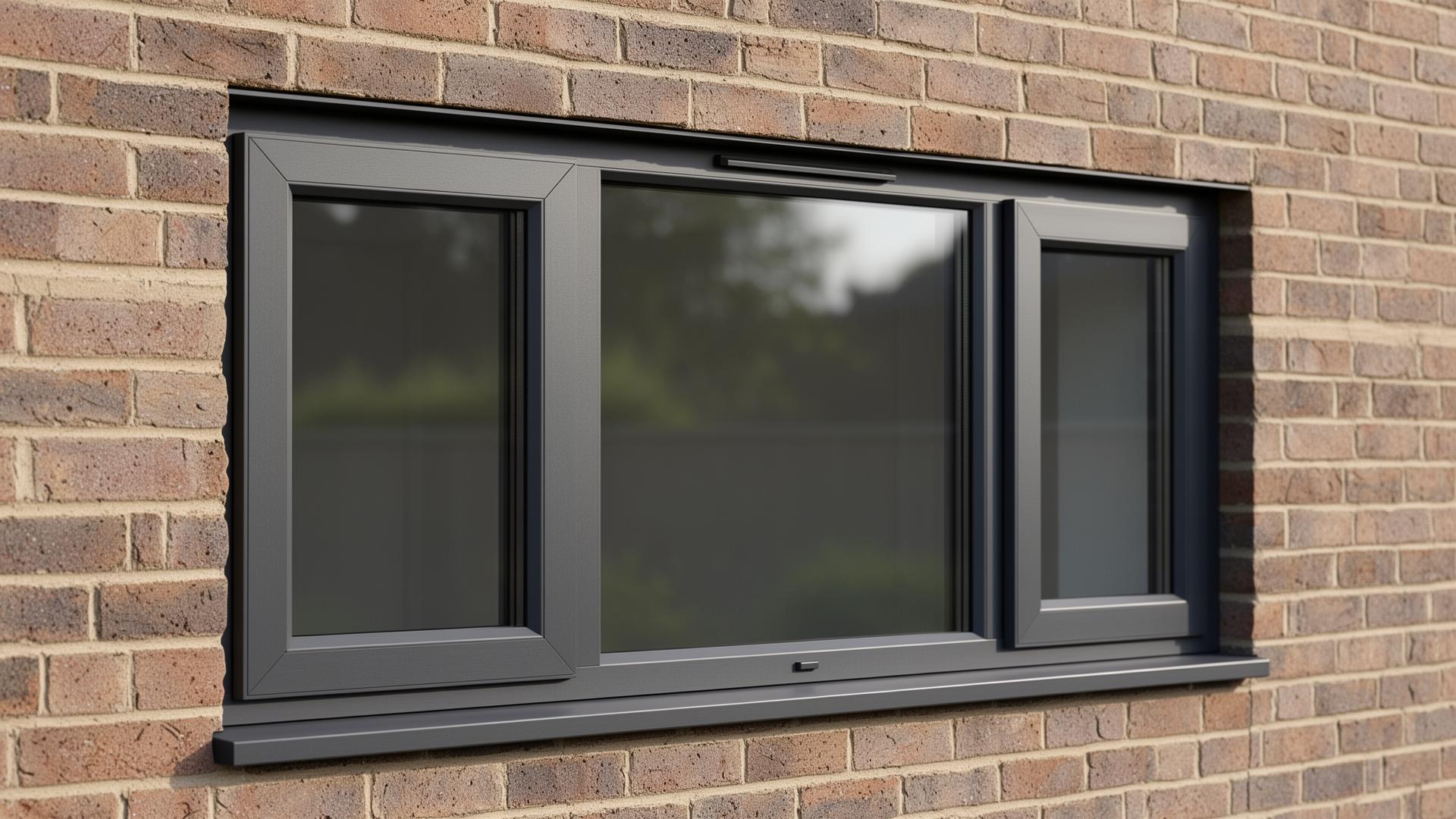
Your realistic options
Sound approach on a good hardwood frame: cut back to solid timber, splice in a matched section, resin-consolidate, prime and repaint. Preserves the original look on period property.
Where the outer frame is sound but the opening sashes are gone, new sashes into the retained frame keeps cost and disruption down.
When the joints, cill and outer frame are all soft, the window is past economic repair. Timber-effect uPVC or a flush-sash profile reproduces the sightlines of the original without the maintenance cycle.
Rot is one of the few faults where replacement genuinely is often the right answer — but not always, and not automatically. Localised rot in a bottom rail on an otherwise sound hardwood frame is worth repairing. Softwood frames with open joints, soft cills and thirty years of paint build-up rarely repay it.
What we check on survey
- we probe the bottom rail, the cill and each corner joint rather than judging from the paintwork
- we check whether the cill drip groove is still open
- we look at the internal reveal for staining, which shows water has already crossed the frame
- we identify hardwood versus softwood, because it changes the repair verdict
How it's priced
Splice repairs are labour-led and vary hugely with how much sound timber is left. Replacement is priced per opening. On a full elevation we'll usually price both and be plain about which one we'd choose in your position.
How urgent is it? Moderate but rising. Rot spreads along the grain and accelerates once it reaches a joint, and a rotten cill eventually lets water into the wall head and the internal plaster.
Stopping it coming back
- repaint before the film breaks rather than after the timber has darkened
- keep the drip groove under the cill clear of paint
- clear leaves and moss out of the cill rebate every autumn
What actually causes it
- 1paint film breached at a joint or knot, letting water into end grain that never dries out
- 2the cill drip groove painted over, so rainwater tracks back under the frame instead of dripping clear
- 3sealed units bedded into a timber rebate without drainage
- 4north-facing elevations that stay damp for months at a time
What you'll notice first
- paint blistering and flaking along the bottom rail and the cill
- timber that gives when you press it with a thumbnail or a screwdriver point
- open joints at the corners of the sash with a dark line of moisture
- putty falling away from the glass line in sections
Why this comes up in Pontypridd
- Council
- Rhondda Cynon Taf
- Postcodes
- CF37, CF38
- Main route
- A470
- Nearest town
- Caerphilly (10 mi)
Around Treforest, Graig, Cilfynydd the recurring local factors are damp from the river valley and frequent rain; single-glazed sashes in older terraces; noise off the A470 trunk road. Commercial neighbours such as Treforest Industrial Estate and Upper Boat business park change the exposure again on the elevations that face them, and the Rhondda Cynon Taf County Borough Council area sets the standards any replacement work is signed off against.
- Treforest
- Graig
- Cilfynydd
- Hawthorn
- Rhydyfelin
- Glyncoch
- Tonteg
- Church Village
- Coedpenmaen
- Beddau
- Efail Isaf
What we typically find on survey
- The frame colour has gone chalky on the sun side and stayed factory white on the shaded elevation.
- The front door has been painted three times without stripping — the paint film is now stopping the door closing at the top.
- The outer frame has moved fractionally over the years, dropping the bottom hinge screw pattern out of line.
- A previous fitter foam-filled the reveal gap directly against the frame, and the foam has now pushed the jamb inward.
- Two units have the classic dust ring inside the sealed gap, meaning the perimeter seal has been breached for at least a year.
- The window boards inside are chipboard, swollen at the edges from years of trickle condensation.
How we actually carry out the work
- Trickle vents are drilled through the outer frame with a bespoke jig — not freehand with a spade bit.
- The fitting van is stocked with the specific spare parts likely to be needed on the day — not a return trip on a missing hinge.
- The crew takes the old glass off site in a labelled sack that day, not a skip left on the drive.
- The van carries a set of dust extraction attachments and uses them on any grinder work in occupied rooms.
- The reveal is brushed down and vacuumed before any sealant runs, so the bead adheres to substrate, not dust.
- The frame is protected with a low-tack film across any face a tool might touch during the fitting hour.
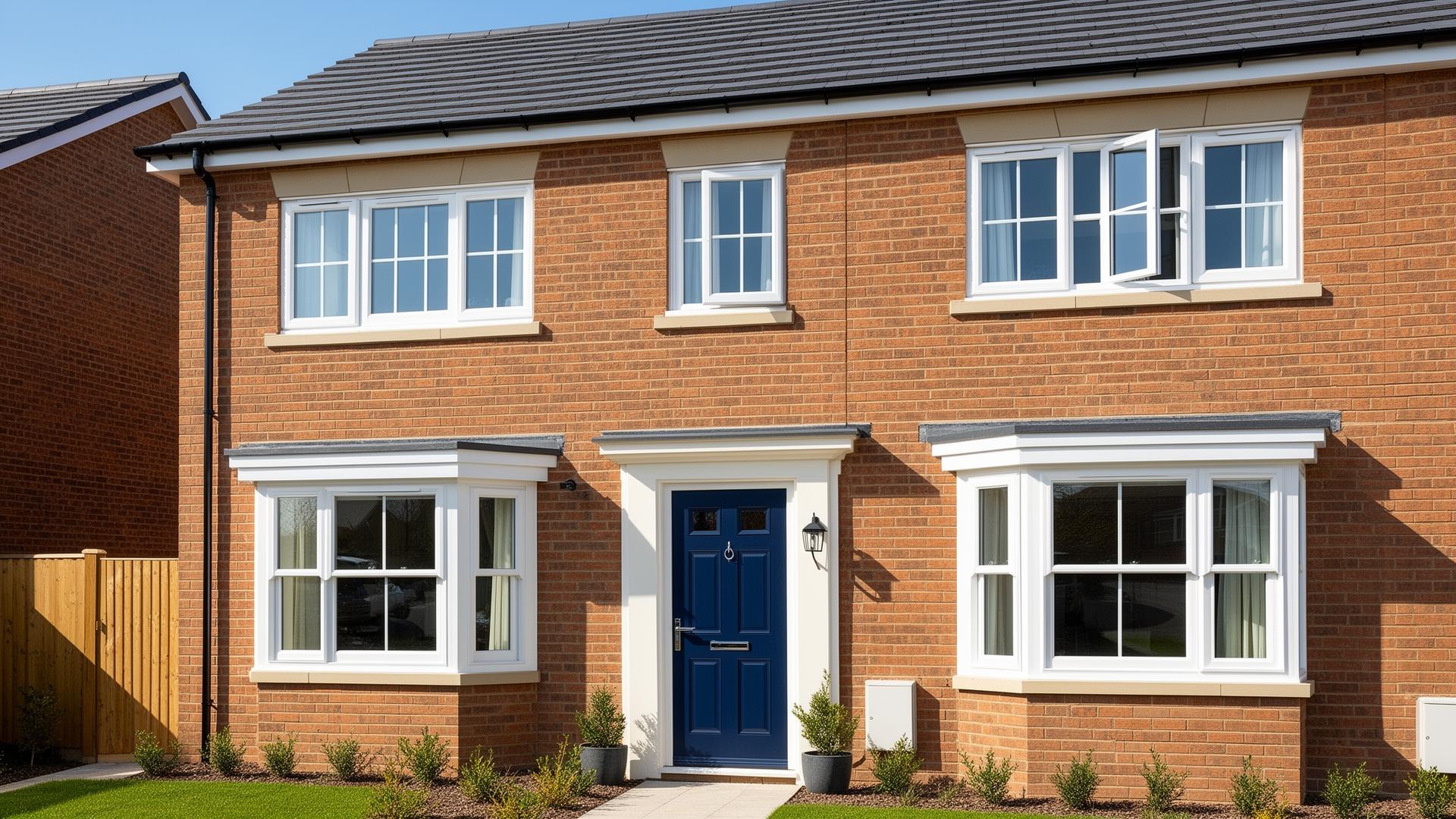
Rotten Timber Windows — questions we get asked
Can rotten window frames be repaired rather than replaced?
Yes, where the rot is localised and the joints are still tight. Resin repairs and spliced timber are perfectly durable when the underlying frame is sound.
Will uPVC look wrong on a period house?
It can, if you choose a chunky standard casement. A flush-sash profile sits flat in the frame like a timber window and, in a heritage colour, reads far closer to the original than a bulky rebated casement.
Do I need permission to replace timber windows?
In a conservation area or on a listed building, yes — and we'd tell you to check with the council before ordering anything. Outside those designations, replacement is normally permitted development.
Is rotten timber windows more common on Pontypridd properties?
It's shaped by the local stock. With long rows of valley terraces with stone fronts, plus 1960s-onward semis along the river belt, plus damp from the river valley and frequent rain and single-glazed sashes in older terraces and noise off the A470 trunk road, the components involved in this fault tend to age faster here than on sheltered inland new-builds.
How quickly can someone look at it in Pontypridd?
We run the A470 corridor regularly, so a survey in Pontypridd is usually available within the week and the written quote follows within 24 hours of the visit.
If replacement is the answer
10-year product, 10-year foil colour, 2-year fitting
10-year product, 2-year fitting, lifetime hardware servicing
10-year product guarantee, 2-year fit warranty, lifetime hardware servicing
10-year product on every frame, 2-year fitting on the whole package, single point of contact
Other faults we see in Pontypridd
Yellowing is cosmetic and treatable; splits at the welded corners are structural and aren't.
ReadA composite slab that catches on the frame has almost always moved at the hinges, and hinges are adjustable in three planes.
ReadHandles are a cheap wearing part — the trick is matching spindle length, backset and screw centres so it fits first time.
ReadFull background on rotten timber windows
The main guide covers the mechanics of this fault in more depth, without the Pontypridd context.
Read the Rotten Timber Windows guide →Let's make your house feel more like home.
Fill in a few details and we'll come back within 24 hours with a clear quote — no callout fee, no pressure.