
Composite Front Doors on a 1930s semi in Barry
The reason Barry homeowners with a 1930s semi-detached search for composite doors specifically — rather than just "windows" or "doors" — is that spec choice actually matters here. The two-storey bay has been cheaply re-glazed with an under-sized profile that reads visibly wrong is the usual driver. Our route runs CF62 / CF63 weekly, so a survey rarely sits in the diary more than a week. Where the original glazing bars were 22mm ovolo, we match printed bars to that width — not the modern 26mm default. Seafront elevations often benefit from a rain deflector bar over the composite door letter plate — standard spec here. The rear garden extension pattern (added 80s–00s) usually holds the tired patio door — replace it as part of the same job. 10-year product guarantee with a 2-year fitting guarantee on top. Developer window frames are typically low-spec multi-chamber uPVC — the profile is fine, the hinges and glass are the fail point. External timber cladding at the head of the window is easily matched to modern PVC trim in a coordinated foil. Gravel front gardens mean the crew boards from the van to the elevation to avoid tracking stones inside. The load path through the bay corner post pulls diagonally when the roof sags; reinforced steel accepts it, aluminium alone deflects. Stone cills usually project only 40mm — the frame drip has to clear the projection without over-hanging. Post-war doors sat on a raised timber threshold; a Part-M part-plate replaces it cleanly at composite door install.
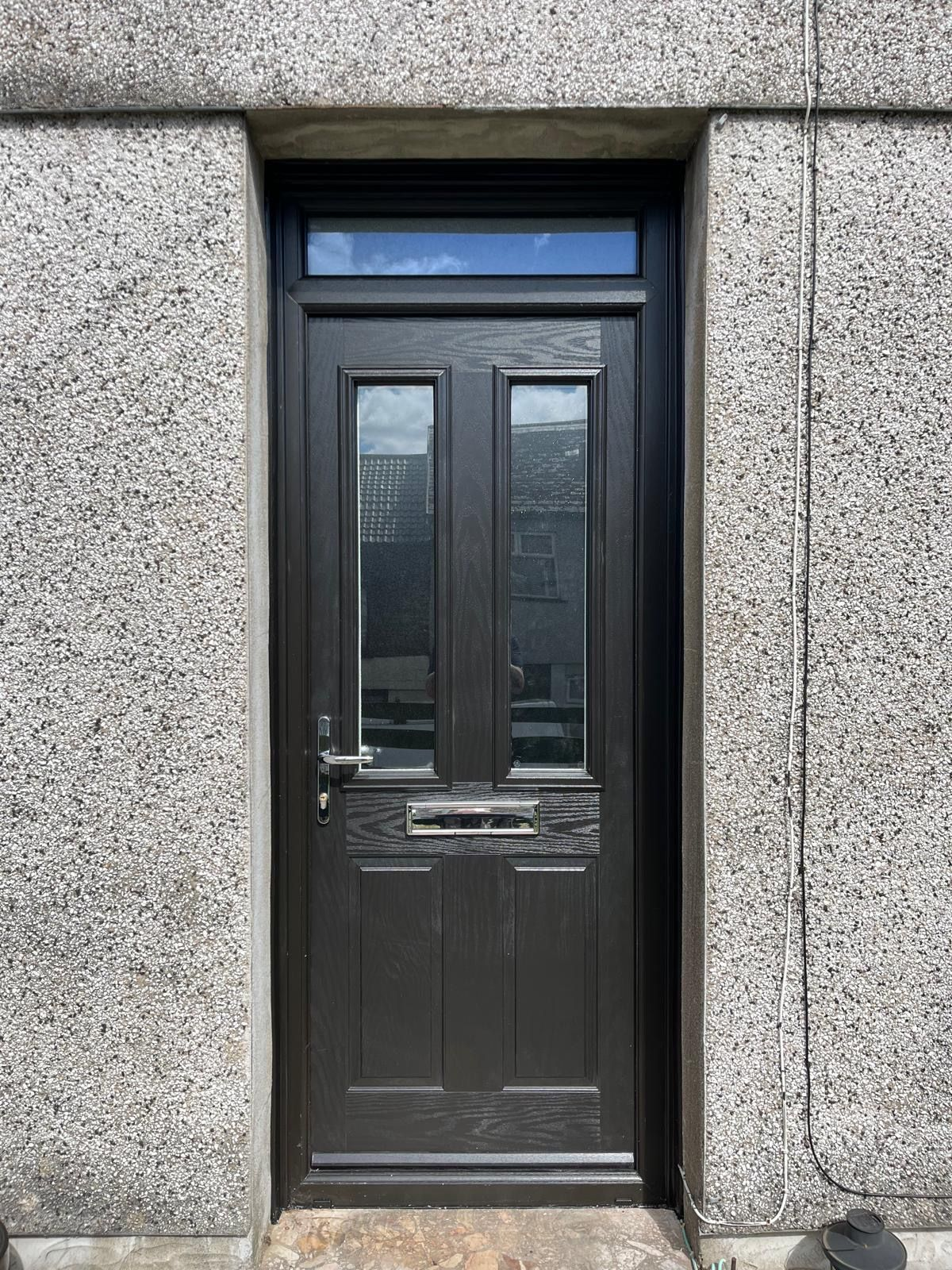
Common 1930s semis problems we quote composite doors for
- 1Original steel-frame Crittall casements replaced piecemeal, so no two windows match.
- 2The two-storey bay has been cheaply re-glazed with an under-sized profile that reads visibly wrong.
- 3Porch canopy timber has rotted at the fixings.
Reveal and install detail
- → The bay is a load-bearing corner — steel-reinforced mullions replace the original steel-frame casement.
- → Cavity walls take a straightforward frame fixing but the internal render is old-school lime, brittle to lever.
Method: old frame stripped on the day, new outer frame fitted plumb to the brick reveal, threshold sealed with EPDM and silicone.
Guarantee: 10-year product guarantee with a 2-year fitting guarantee on top.
Our composite doors spec for a 1930s semi-detached
A three-panel composite door in a mid-tone (Chartwell, Slate or Anthracite) with a matching sidelight lifts the original porch. We use the existing threshold step rather than raising it — 30s doors sit low. In Barry we see this on the seaside Edwardian terraces near the Island, post-war semis in Cadoxton, modern Highlight Park estates around Barry Island, Cadoxton, Gibbonsdown, usually paired with salt-laden coastal air corroding cheap aluminium and hinges; wind-driven rain off the Bristol Channel; seafront UV fading on south-facing PVC on the same elevation. A4055 coast road brings us in cleanly — we time jobs around school traffic on the A4226. Council area is Vale of Glamorgan Council in Vale of Glamorgan; commercial neighbours include Cardiff Airport Business Park and the Atlantic Trading Estate. Nearby: Penarth 5mi, Cardiff 9mi, Cowbridge 7mi. Local vibe: coastal town with two sides — the Island and seafront, and the residential bowl above it.
Who's asking
Second-time buyers extending or refurbing family homes, and long-time owners finally replacing 90s installs that are now on their second failure.
In Barry specifically that reads as coastal downsizers, families in the newer estates, holiday-let owners near the Island. The recurring driver for a composite doors enquiry is: Homeowners looking to fix the bay-window mismatch and warm the property up as one job.
Local context — Barry
- Council
- Vale of Glamorgan
- Postcodes
- CF62, CF63
- Main route
- A4226
- Nearest town
- Penarth (5 mi)
Neighbourhoods we cover: Sully, Gibbonsdown, Palmerston, Barry Island, Wenvoe, Dinas Powys. A4055 coast road brings us in cleanly — we time jobs around school traffic on the A4226.
What we typically find on survey
- ·A previous fitter foam-filled the reveal gap directly against the frame, and the foam has now pushed the jamb inward.
- ·The multipoint deadbolt still throws but the top hook has stopped catching and no one has noticed for months.
- ·The hinges are all dropped one notch from level, taking the sash out of square against the outer frame.
- ·The friction stays are the wrong hand for the sash — a previous swap fitted left-hand stays on a right-hand window.
- ·The mid-rail on the composite door is bowed outward at the middle by 2mm — a slab-warp symptom.
- ·Two units have the classic dust ring inside the sealed gap, meaning the perimeter seal has been breached for at least a year.
- ·The letterplate is a straight through-plate with no anti-snap flap — visible from outside in the hallway.
- ·A previous fitter left the transport wedges in the frame corners and the internal seal never fully reset.
- ·The old timber sub-cill under a uPVC swap is boron-treatable but only if we lift the frame off it cleanly.
- ·Handles on the ground-floor windows have been swapped for cheap replacements that no longer match the espag rod.
- ·The front-door hinge screws are 25mm chipboard fixings, not the manufacturer's 60mm hinge screws.
- ·The front door threshold weather-bar seal is missing its rubber blade and the metal channel is bent.
- ·A previous owner has fitted a chain to the front door on top of the multipoint — a sign they never trusted the lock.
- ·The old timber back door has a live rot pocket at the bottom hinge that reads soft to a screwdriver tip.
- ·A tenant repair on the bathroom window has used bathroom silicone as the primary bead — it's already gone black.
- ·The letterplate has a hinged internal flap that has snapped off and is currently held in place with masking tape.
- ·The georgian bar between panes on one unit has slipped off its top spacer and is sitting diagonally inside the sealed cavity.
- ·The seal at the beading corner has shrunk enough to expose the mitre on the internal white finish.
- ·Condensation runs down the inside of every north-facing pane between October and March.
- ·The internal beads pop out with a chisel and a tap, but the external glazing gasket is bonded solidly to the frame.
- ·The multipoint lock still throws but the internal handle has 40° of dead travel before engaging.
- ·The multipoint keeps have worn a shallow groove where the hooks now catch — closing needs a lift-and-pull.
- ·The top hinge on the front door has torn its middle screw out and been left to run on two fixings.
- ·The internal beadwork has been painted so many times the mitres are unrecognisable.
- ·Silicone at the outer perimeter has hardened, cracked, and lifted at the head — water tracks behind it in heavy rain.
- ·A cat flap has been cut through the lower panel of the back door, weakening the panel and voiding warranty.
- ·The internal glazing bead across the top of the bay lifts out completely with fingernail pressure.
- ·The window boards inside are chipboard, swollen at the edges from years of trickle condensation.
- ·One sash sits proud of the frame by 2mm along the top rail — a factory manufacturing tolerance that never got addressed.
- ·The georgian bar between the panes has come detached from the top spacer on one unit.
Why residents are enquiring right now
- ·The owner has watched the bay corner posts sag for a decade and now wants them straight and structural.
- ·The homeowner is on a smart meter and can see the room-by-room heat loss on a phone app.
- ·The homeowner wants a warranty they can pass on to the next owner without a fee or a form.
- ·The homeowner has just re-rendered the front elevation and wants the frames to be the last piece of the picture.
- ·The owner is preparing the elevation for a specific street-photo listing and wants the finish to be photographable in raking morning light.
- ·The owner wants the property to look ten years newer without needing an extension.
- ·The homeowner wants a five-star Checkatrade installer at the door, not a subcontracted crew nobody has vetted.
- ·The resident wants an installer who will honestly say when a repair beats a replacement.
- ·The homeowner is expecting twins and wants the room-to-room noise transfer down before the arrival.
- ·The owner is done reheating rooms every hour because the frames leak the heat straight back out again.
- ·The homeowner is planning a loft conversion next year and wants the windows sorted before scaffold cost is priced.
- ·The buyer wants the whole job done by one team who own the outcome — not designed in one place and fitted in another.
- ·The homeowner wants the composite front door to survive a decade of coastal salt without going chalky.
- ·The buyer wants a genuine Which? Trusted Trader install, not a subcontracted crew running the badge.
- ·The resident is expecting an elderly parent to move in and needs a door that opens without a shove.
- ·The wife wants the noise from the trunk road down; the husband wants the heating bill down; both are on the enquiry.
- ·There is a downstairs shower being fitted and the bathroom window needs to be swappable before the tiler starts.
- ·The homeowner has watched the neighbour's job go in and knows exactly what they do and do not want.
- ·The owner wants the master bedroom quiet enough for a night-shift partner to sleep past 11am.
- ·The owner is dealing with a partner who works nights and needs the bedroom acoustically watertight before summer.
- ·The buyer wants a full set of the same colour across every elevation, not the current mixed collection.
- ·The homeowner is preparing to work from home permanently and wants the office quieter than the living room used to be.
- ·The owner is done with the annual condensation season and wants the fabric of the openings to end it.
- ·The resident works from home and wants the neighbour's dog to stop being the loudest thing on every call.
- ·The homeowner is selling within eighteen months and wants the front elevation to photograph well for the listing.
- ·The owner is buying and wants to time the frame swap for the week between exchange and moving in.
- ·The homeowner is selling the property and only wants to replace what visibly holds the survey back.
- ·The buyer wants no upsell scripts — a survey, a spec, a figure, and space to think.
- ·The resident has already had one failed installation and wants to know exactly how this one will differ.
- ·The homeowner wants a single date, a single crew, and a single guarantee — not a paper trail across three companies.
How we actually fit it
- ·The composite slab is not cut on site — if it does not fit, a new slab is ordered rather than trimmed.
- ·The perimeter airtight tape is applied over the frame flange in a single unbroken run around all four sides.
- ·The client is left with the manufacturer's paperwork in a labelled envelope, not a folded receipt tucked inside a drawer.
- ·The client's paint colour is sampled at the survey visit and matched at the office before the fitters arrive on install day.
- ·The client is walked through the operation of every lock, every vent, and every restraint before the crew leaves.
- ·The frame is protected with a low-tack tape at any point a tool might scrape it during the fitting hour.
- ·The internal make-good caulk is polymer, tooled with a wet finger and then a spatula for a final radius.
- ·The internal trim goes on with pin nails through the flange, not straight through the visible face.
- ·Fixings are always at the reinforcement points — a screw through the chamber alone loosens within a year.
- ·The old cylinder is disposed of by the crew, not left in a bag on the drive for the client to bin.
- ·The multipoint keeps get a smear of grease inside the pocket before the door is closed for the first time.
- ·Foam gets a wet finger dressed into the internal reveal, not a dry-cut strip that pulls back later.
- ·The manufacturer's kite mark on the corner of the glass is left in place at handover — proof of spec for the next owner.
- ·The old timber cill under a uPVC swap is treated with a boron preservative before the new frame is set over it.
- ·The screws through the outer frame go into pilot-drilled masonry, not driven with hammer action alone.
- ·The reveal is brushed down and vacuumed before any sealant runs, so the bead adheres to substrate, not dust.
- ·The crew takes the old glass off site in a labelled sack that day, not a skip left on the drive.
- ·The reveals are photographed on arrival so any pre-existing damage is on record before the crew touches them.
- ·The threshold has an EPDM strip continuous under the frame — not stitched together across the door width.
- ·The bay-corner post is set with a laser level across both faces before the outer frames are trimmed to fit.
- ·The window board is scribed to the plaster line, not left with a caulked gap that shows in raking light.
- ·The frame perimeter is checked with a smoke pencil for airtightness before the internal trims go on.
- ·The multipoint gearbox is thrown by hand before the frame goes in — a factory fault at that point is a five-minute fix.
- ·The perimeter tape between frame and reveal is a compressible foam tape, not a plain butyl strip.
- ·The internal architrave is scored along its length with a fresh blade before removal, so the wallpaper does not tear back.
- ·The lead fitter photographs the reveal condition before the old frame comes out and shares those photos with the office.
- ·The lock cylinder is measured to sit flush with the escutcheon plate — a proud cylinder is a snap risk.
- ·Ground protection sheet goes down before the old frame comes out — not after the mess starts.
- ·The old broken glass is bagged in a labelled sack, not tipped loose into a general skip.
- ·Cavity closers get inserted where the old frame's cavity closer has failed — not omitted because it is unseen work.
Owner occupiers doing the whole property in one go
Why composite doors look different to owner occupiers doing the whole property in one go
Whole property work is a different purchase to a single replacement. You are buying two to four days of disruption, a matched set of frames and one point of contact, so this page concentrates on those three things.
Where this job stands or falls
- Matching frame colour and hardware finish across the whole property
- A programme that keeps the house lockable and weathertight every night
- The trickle vent chamber inside the frame is proven clear with a torch before the outer cap goes on.
- The gasket wedges are trimmed with a fresh knife blade for every unit — a dull blade tears the EPDM.
Verified Checkatrade feedback from customers who had the full property done in one visit
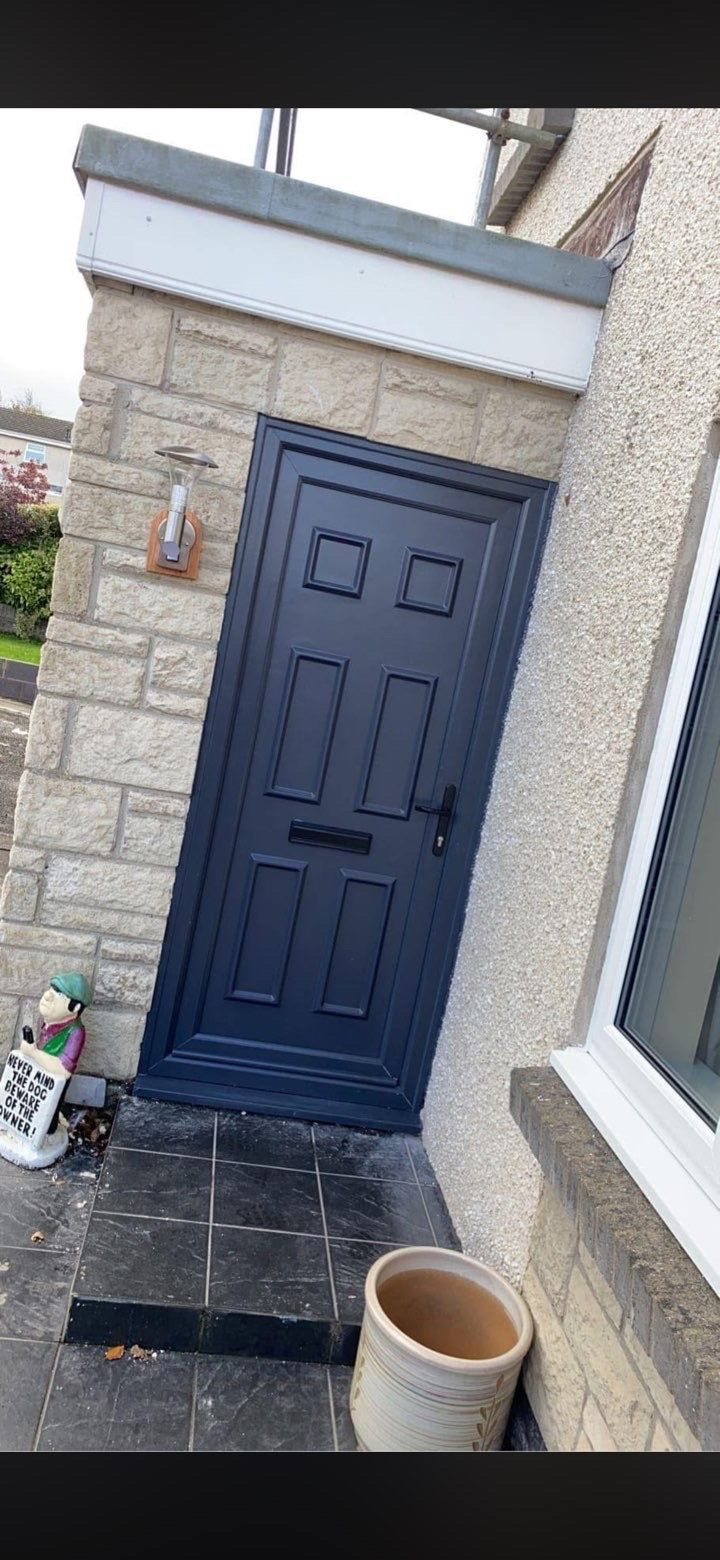
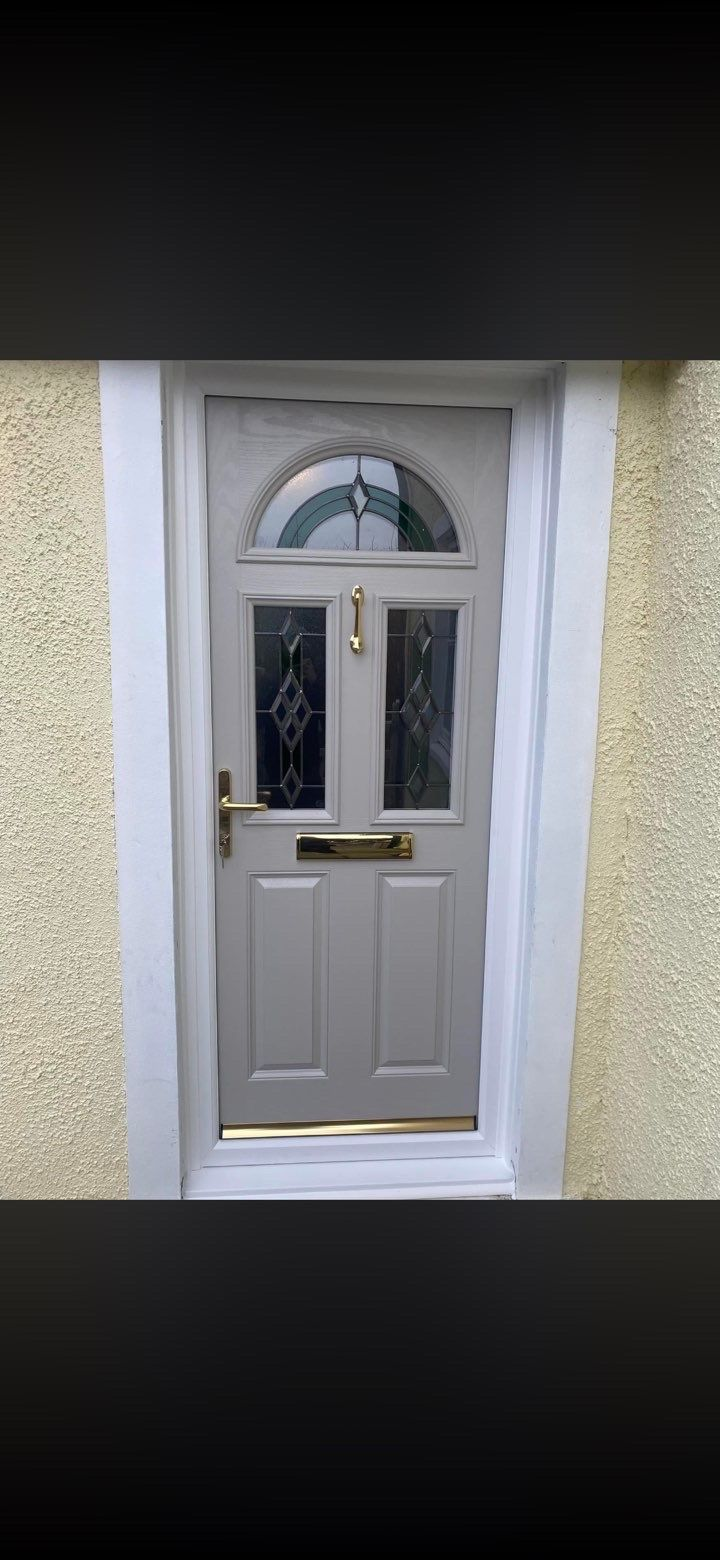
Plan the work around your household in Barry
Tell us the rooms you cannot lose and we will sequence the elevations around them. Most properties are finished in two to four days. Composite doors for 1930s semis properties in Barry, fitted in a single day, usually 4–6 hours, with a written price inside 24 hours.
Questions we get on 1930s semis jobs like this
How long does a composite door job take on a 1930s semis?+
Fitted in a single day, usually 4–6 hours is typical. On this property type the extra time usually goes into original steel-frame crittall casements replaced piecemeal, so no two windows match, which we allow for at survey rather than discovering it on fitting day.
How much disruption should we expect inside?+
Dust sheets down, one room at a time, and the old units carried out through the nearest external door rather than through the house where we can. On a 1930s semis the internal plaster reveal is the sensitive part, so we cut the old frame out rather than lever it. Fitted in a single day, usually 4–6 hours.
What difference will we actually notice afterwards?+
Old timber and rotten 90s uPVC front doors that leak heat, jam in winter and fail break-in standards. On a 1930s semis the first thing owners tend to report is that the room holds heat into the evening instead of dropping as soon as the heating goes off, followed by the drop in road noise. GRP skins don't warp, fade only slowly under direct UV, and resist coastal salt better than aluminium-skin doors.
Do you fit composite doors on 1930s semis around Barry?+
Regularly. Barry Island, CF62 is where most of this work lands, and we also cover Penarth, Cardiff, Cowbridge. A4055 coast road brings us in cleanly — we time jobs around school traffic on the A4226.
Will the house be secure overnight during a full replacement?+
Yes. Only one elevation is open at a time and every opening we start is finished, glazed and locked before we leave for the day.
Can I stage a whole house replacement over two visits?+
Yes. Front elevation and front door first, rear later is a common split. It costs slightly more overall than doing everything in one visit and we will show you the difference in writing before you decide.
Free composite doors survey — 1930s semi-detached, Barry
Book a 30-minute visit. We walk every reveal, sample the Solidor / Rockdoor style ranges against the elevation, and email a written figure inside 24 hours.
Summary — composite doors on a 1930s semi-detached in Barry
We fit composite doors on 1930s semis across fitted in a single day, usually 4–6 hours, using 48mm solid composite slab with Solidor / Rockdoor style ranges. Original patio door tracks sit direct on the floor slab — we lift, level and re-set on stainless packers. Salt spray in high winds reaches inland elevations at coastal properties — we spec stainless furniture on rear frames too. Written figure inside a day of the survey. Around Barry that usually means salt-laden coastal air corroding cheap aluminium and hinges on seaside Edwardian terraces near the Island, post-war semis in Cadoxton, modern Highlight Park estates, with Barry Island and Cadoxton the streets we are on most. Salt spray in high winds reaches inland elevations at coastal properties — we spec stainless furniture on rear frames too. Original patio door tracks sit direct on the floor slab — we lift, level and re-set on stainless packers. Rear outshut kitchens often have flat felt roofs at 2.1m — glass and frame heights are set to clear the eaves. Tile porches are laid on a lime bed that reacts poorly to modern silicone; we mask and use low-modulus polymer instead.
Let's make your house feel more like home.
Fill in a few details and we'll come back within 24 hours with a clear quote — no callout fee, no pressure.